BACKYARD & GARDEN
Backyard chicken coop pest prevention for Sydney spring: rats, flies and mites at the coop
Backyard chooks are a Sydney spring pleasure, but the feed, eggs, bedding and warm weather make a coop attractive to rats, flies and poultry mites. A short daily routine keeps the hens healthy and keeps pests from using the coop as a bridge to the house.
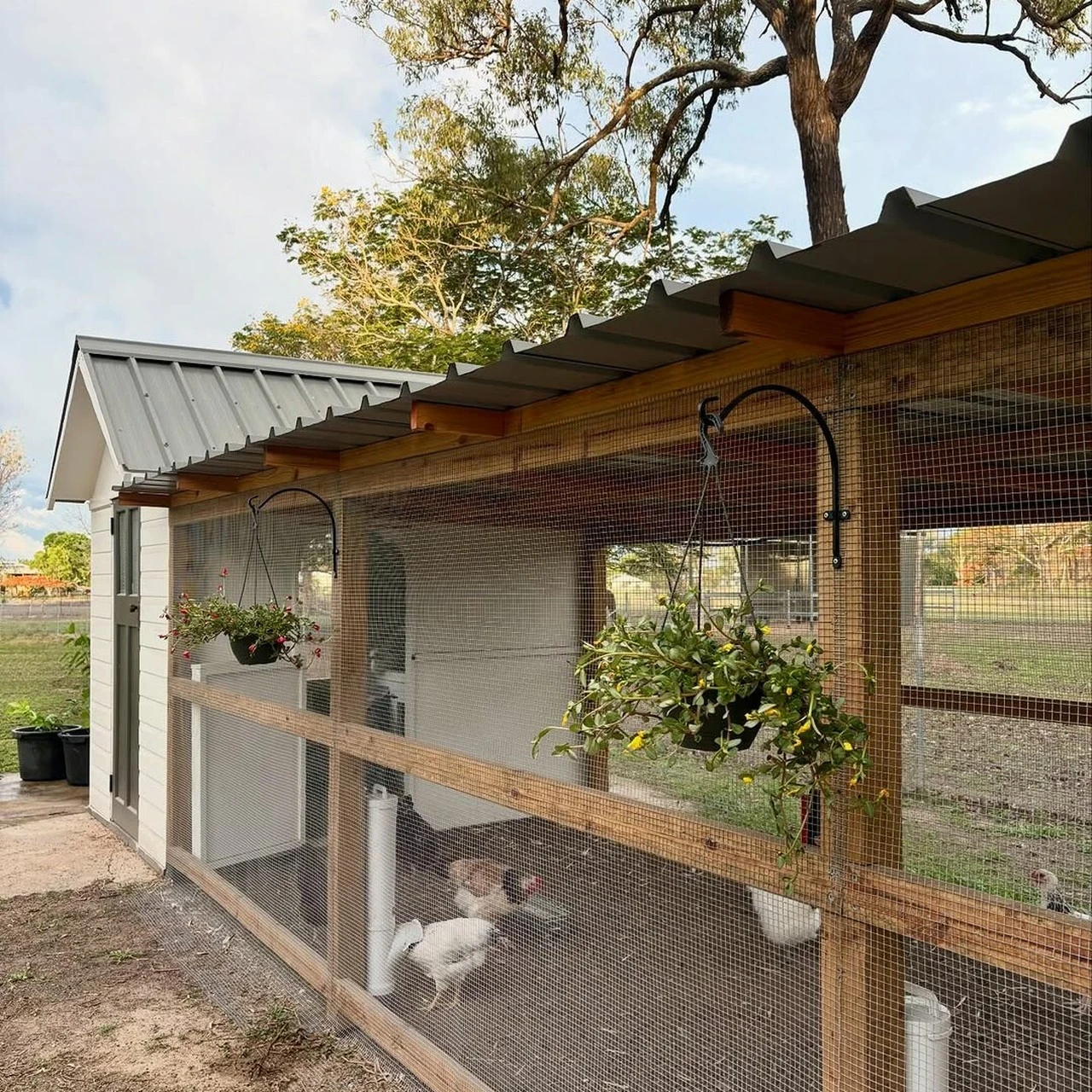
A backyard chicken coop is a small food system, and every food system has pests. The grain in the feeder, the scraps on the ground, the eggs in the nest boxes and the warm litter under the roost are exactly what rats, mice, flies and beetles look for, while poultry mites live on the birds themselves. Spring in Sydney, with milder nights and more time spent in the garden, is when these problems build quickly. The good news for chook owners is that coop pests are mostly managed with routine rather than chemicals - and that matters, because anything you apply around birds, eggs and feed has to be safe for them.
Why a spring coop attracts pests
Rats are the main concern. They are nocturnal, good climbers and burrowers, and a chicken feeder is a reliable nightly meal that requires no effort. Once rats are feeding at the coop, they breed fast and will start looking for nearby shelter, which is often the shed, the garage or the house itself. Flies and beetles build up in damp litter and manure, and mites explode in the warm, enclosed space of the roost. The coop is rarely the only place affected for long; it is the source that feeds the rest of the backyard.
Rats and mice at the feeder
The rule is simple: do not feed the night shift. If grain is available after dark, rats will learn the routine and bring the rest of the colony.
Feed in the morning and only what the birds finish by dusk; remove or lift the feeder at night rather than leaving grain out.
Use a hanging or treadle feeder that spills little grain, and sweep up spilled feed under the roost daily.
Store pellets and grain in a sealed metal bin with a tight lid - rats chew through plastic bags and plastic bins.
Collect eggs each day and put kitchen scraps out in the morning only, never overnight.
If you compost, keep the compost bin away from the coop and turn it hot and regularly; compost is a second feeder for rats.
Flies and damp litter
Flies breed in damp, warm organic matter, and a wet corner of the coop or a patch of litter under a leaking drinker can produce thousands of them in a week. Keeping the litter dry is the entire fly strategy.
Use a waterer that does not spill, top up rather than flood, and move it before the ground under it stays wet.
Remove droppings from under the roost on a regular schedule and turn or replace damp litter before it smells.
Keep the coop on a well-drained, sunny spot rather than in damp shade; a coop that dries each day largely manages itself.
Bag and bin manure regularly rather than letting it pile against the walls.
Poultry mites and lice
Red mites live in the cracks of the roost and feed on the birds at night; lice live on the birds and feathers. Both irritate hens, reduce laying and can build heavily in warm spring weather. Check the birds and the roost on a regular day, not just when something looks wrong.
Inspect the underside of perches and nest boxes at night with a torch; red mites cluster and may look like a grey-red crust around the joints.
Check hens for feather loss, pale combs and irritation, especially around the vent.
Clean roosts and nest boxes with hot water and dry thoroughly, and replace nesting material regularly.
Only use treatments labelled for poultry and follow withholding periods for eggs; a general household spray is not safe around birds.
Coop placement, and when to get help
Sit the coop away from the house and the fence line, on well-drained ground, with the run floor clear of accumulated litter and long grass. If rats are already burrowing under the coop, or getting into the feed no matter what you do, or you are finding them in the shed or house as well, call a licensed pest technician. A technician can place locked, tamper-resistant bait stations where the birds, children and pets cannot reach them, trace the burrows back to the harbourage, and advise on coop proofing without contaminating feed or eggs.
Never place loose bait inside or near a coop, where birds can reach it or a poisoned rodent can die in their run. Only use registered products in their labelled tamper-resistant stations - the APVMA explains correct chemical use. Around poultry, hygiene and exclusion are the treatment; chemicals are a last step and must be bird-safe.
PESTS AROUND THE COOP?
Text your suburb and what you are seeing.
Tell us whether it is rats at the feeder, burrows in the run, flies in the litter, or irritation and mite activity on the birds - we can confirm what is safe to do around your hens.