COMMERCIAL PEST CARE
Childcare centre pest control in Sydney: safe treatment for kids' spaces
A childcare centre has the same cockroach, ant and rodent pressures as any food-handling building - plus a room full of children who put things in their mouths. That changes the whole approach: it is not just what product is used, but where it goes, when the centre is empty, and what is recorded. Here is what a safe spring treatment plan looks like.
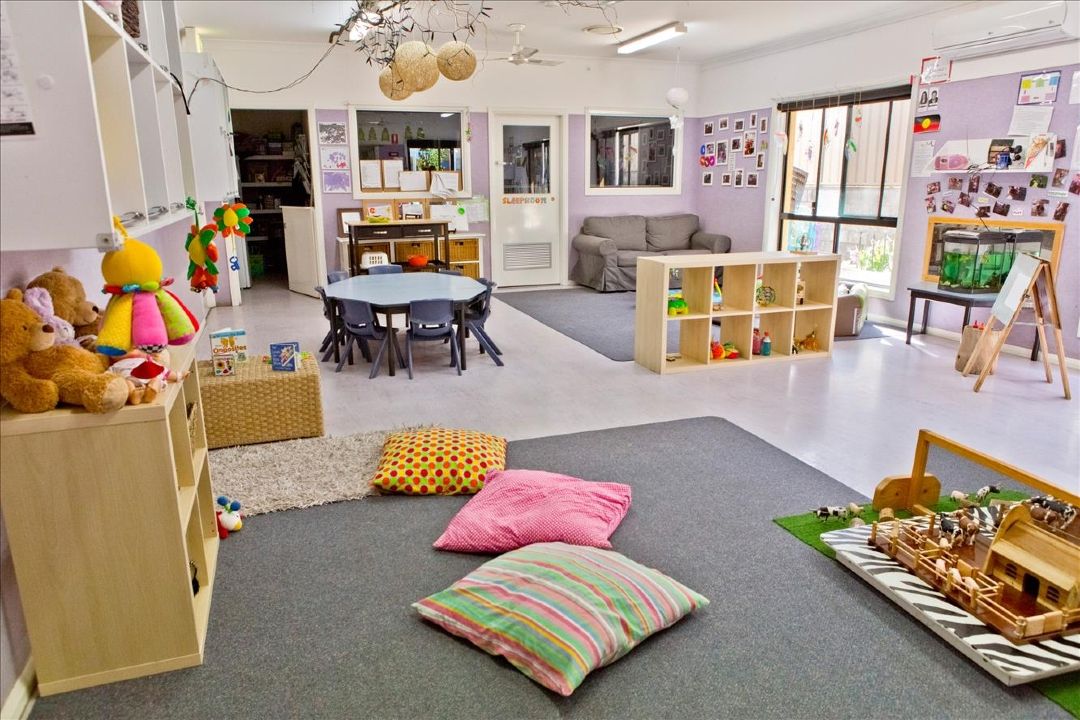
Spring is when pest activity in Sydney buildings climbs - warmer foraging, expanding colonies and the first long evenings. In a childcare centre, the practical question is never "can you kill it?" but "can you manage it safely, discreetly and on a schedule that keeps children out of treated areas?" That distinction is what separates a professional program from an off-the-shelf spray.
What spring brings to a centre
Childcare centres are effectively commercial kitchens plus sleeping rooms plus high-traffic storage, which makes them attractive to a specific set of pests.
- German cockroaches - the classic kitchen and food-storage pest. They breed fast, shelter in tight gaps and are drawn to warm appliances and food residues.
- Ants - trails enter from the garden and playground along slab edges and through door thresholds, especially in warm, dry stretches.
- Mice - they need very little space, and storage rooms, subfloors and wall cavities provide it.
- Flies - bins, nappy bins and drainage points can carry them, and they are a hygiene issue before they are a nuisance.
The signs to watch are the same as any food business: droppings in cupboards, smear marks along skirting, live cockroaches near dishwashers or behind fridges, and trails at thresholds.
Why a centre should not rely on DIY sprays
General-purpose household sprays are designed for a home, not a food-preparation and childcare setting. Three problems come up again and again.
- They are surface sprays - they knock down visible insects but do not reach the harbourages, so activity returns.
- They leave residues on surfaces where food is prepared and children eat, which is the wrong trade-off in a centre.
- They are rarely applied with a record of what was treated, where, when and with what - and that record matters if a parent, regulator or insurer ever asks.
Professional treatments in childcare settings are planned around low-risk formulations, gel baits and placement rules. The goal is to remove the pest population at its source while keeping treated material out of reach of children.
How a safe treatment actually works
A professional spring program for a centre typically combines several tactics rather than one spray.
Gel baits placed in protected spots - cracks, under appliances, behind fixtures - where children cannot reach them.
Rodent bait stations secured outside the building or in locked, tamper-resistant boxes, never in children's areas.
Targeted crack-and-crevice treatment of harbourages, not broad surface spraying of rooms.
Non-chemical work: sealing gaps, correcting leaks, and managing food, bins and drainage.
Every product used in Australia must be registered and used according to its label. Label directions for childcare settings - including re-entry times and ventilation - are followed exactly, and the centre is told precisely when rooms can be used again.
Record-keeping and scheduling around the centre
A safe program is also a documented one. Good practice includes:
- A service record of what was treated, the product, the rate, the areas, and the date and time.
- A clear schedule so treatments happen when the centre is empty or specific rooms are closed off.
- Access for the technician to the kitchen, storage, subfloor and roof void - treated properly, these are where the problem lives.
- A simple log of sightings between visits, so a technician can see whether activity is shifting.
If the centre is part of a strata building, persistent activity in common areas should be reported to the strata manager, since the pest may be moving through shared cavities rather than originating inside the centre.
Prevention at the source
Clear food scraps from tables and benches and wipe down surfaces after meal times.
Keep bins, including nappy bins, sealed and emptied daily; store refuse away from doorways.
Check for leaks under sinks and around appliances - moisture draws cockroaches and ants.
Seal gaps around pipes, thresholds and skirting where practical, without blocking required ventilation.
Check stored food and supplies in sealed containers, and rotate stock so nothing sits for months.
Spring is the right time to address the source: populations are still building, and a preventive program now is simpler than reacting to an established problem in summer.
When to call for help
Call a licensed technician if you are seeing recurring activity after cleaning, live cockroaches in kitchens or storage, rodent droppings, or trails appearing in multiple rooms. A centre visit needs to look at the kitchen, storage, subfloor and roofline together - and the treatment plan should be designed around your operating hours and the layout of the building. Ask the technician to confirm the approach in advance: what will be treated, where products will be placed, what the re-entry times are, and what records you will receive.
RUNNING A CENTRE OR CHILDCARE SPACE?
Text your suburb and the type of facility.
We can plan a treatment around your hours and explain exactly where products will be placed.