HOME PEST PREVENTION
Cockroaches in Sydney homes on a hot day: what the 32°C heat means
Tomorrow is forecast to be the hottest day of the year so far in Sydney - around 32C with a dry north-westerly wind, before a cooler change with showers arrives on Tuesday. For households, that one genuinely hot day is often when cockroach activity suddenly becomes noticeable. Here is what changes in hot, dry weather and what to check while the heat lasts.
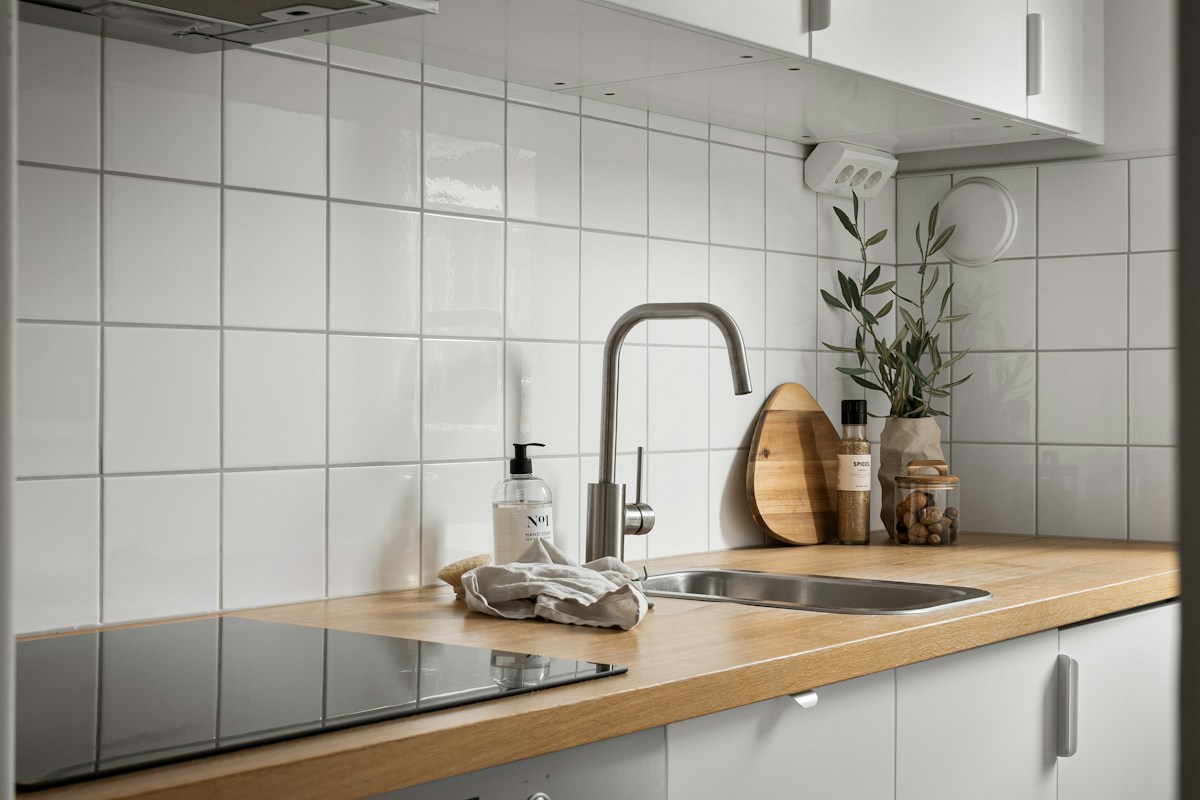
The cockroaches found in Sydney homes are usually the larger Australian and American cockroaches outdoors and in gardens, and the smaller German cockroach indoors. Heat changes their behaviour: cockroaches are cold-blooded, so a genuinely hot day speeds up their movement, feeding and breeding, while dry conditions push them towards indoor moisture and food. A home that felt quiet in spring can suddenly show activity in the kitchen or bathroom during a hot stretch.
Why a 32C day changes activity
Tomorrow's forecast is a good example: around 32C with a dry north-westerly wind, then a cooler, showery change on Tuesday. In those conditions, cockroaches become more active at the times people are least expecting them - warm evenings and overnight, when the house has cooled slightly and food leftovers are still out. The dry wind also reduces outdoor moisture, so cockroaches move indoors towards sinks, dripping taps, pet bowls and the damp areas behind appliances. This does not mean a clean home attracts cockroaches. It means the weather is pushing activity up at exactly the time many families are opening windows and doors to let the breeze in. One or two sightings on a hot day is common; a repeated presence - several at once, or droppings in drawers and along skirting - points to an established harbourage that needs proper treatment.
Seeing a cockroach in daylight usually means the harbourage is overcrowded. On a hot day, daylight sightings become more common - treat the source rather than just removing the one you saw.
Where to check
A hot-day check takes ten minutes and covers the places cockroaches actually use.
Kitchen: behind and under the fridge, stove, microwave and toaster, inside cupboards and around the sink and dishwasher.
Bathroom and laundry: under the basin, behind the toilet, around the washing machine and hot water service.
Food storage: pantries, pet food areas and bins - look for droppings that look like ground pepper, egg capsules and smear marks along skirting and bench edges.
Entry points: gaps under doors, around pipes, vents and window frames, and along garage edges where outdoor cockroaches can slip in.
Photograph what you find and note the location and time. That record tells a technician where the harbourage is and how the activity is moving.
Hot-day prevention
While the heat lasts, a few daily habits reduce what draws cockroaches in.
Wipe benches, sinks and stovetops after use and dry the sink - cockroaches need water as much as food.
Keep bins sealed and empty them daily during warm weather.
Store food and pet food in sealed containers, and clear crumbs and spills promptly.
Fix dripping taps and wipe moisture from benchtops, window sills and around appliances.
Seal obvious gaps under doors and around pipes where practical, and use screens on open windows.
These are daily habits, not one-off jobs - the goal is to make the house a less obvious source of food, water and shelter on the hottest days.
How treatment works at home
For a small, contained problem, household cockroach bait from a retailer can work when used strictly per label: placed in small dots in the cracks and crevices where cockroaches shelter, kept away from food, utensils and pets, and left undisturbed. Bait takes time to work because it is carried back to the harbourage. Surface spraying alone is rarely effective - it does not reach the sheltering population and can even make bait less attractive if overused. If activity continues after a week, or if you find droppings in multiple areas, egg capsules in cupboards, or see cockroaches during the day, the population is established and professional treatment is the practical next step. A licensed technician treats the harbourages with gel baits and targeted crack-and-crevice work, checks for entry points and confirms what follow-up is needed.
When to call for help
Call a licensed technician if you see recurring activity, live cockroaches in daylight, droppings in several rooms, or egg capsules in cupboards. In an apartment, townhouse or shared building, cockroaches can move through shared wall, ceiling and pipe spaces - let the technician know the building type, and consider whether neighbours or common areas are involved, so the treatment is coordinated rather than just one unit.
COCKROACHES ACTIVE IN YOUR HOME?
Text your suburb and where you have seen them.
Tell us whether you are in a house, apartment or townhouse, and how long the activity has been going on.