HOME PEST PREVENTION
Cockroaches after the rain: why flooded Sydney drains push them indoors
Today Sydney gets the season's first heavy rain and thunderstorms - 10 to 30 mm across the city, with more showers through the week. Heavy rain does more than wet the garden: it floods the drainage system, and cockroaches living in drains and gully traps get pushed up through floor drains, overflow outlets and gaps. Here is what changes and what to check after the rain.
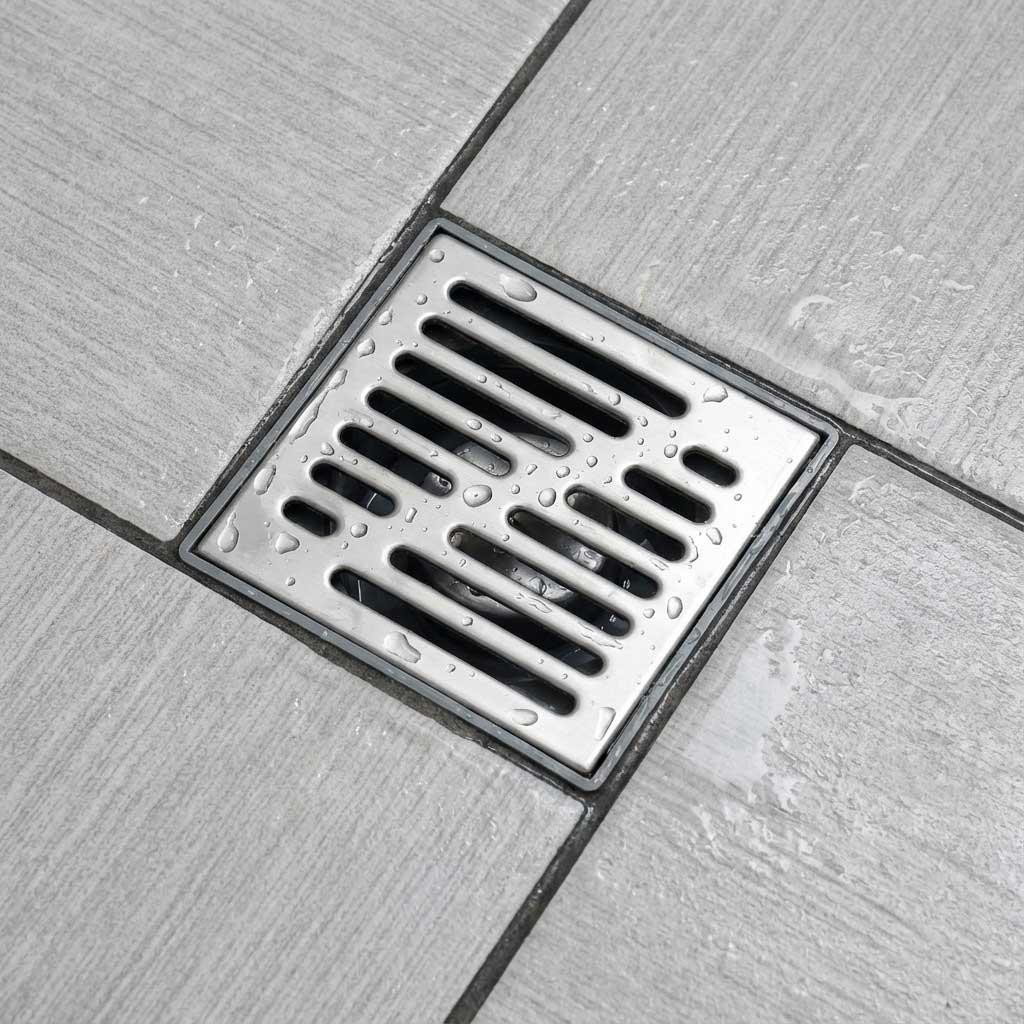
Sydney's two main indoor cockroach species behave differently around drains. The German cockroach stays close to kitchens and warm, humid areas. The larger American cockroach - sometimes called a water bug or sewer cockroach - lives around drains, gully traps and subfloor areas, and moves through the drainage network. When heavy rain fills the pipe system, these cockroaches are driven upwards, looking for air, dry ground and food. A sudden surge of cockroaches after the first big rain of spring is a common Sydney pattern.
Why heavy rain sends cockroaches up
The drainage system around a Sydney home - floor drains in kitchens and laundries, gully traps outside, shower and bath drains, and downpipes - normally stays dry enough for cockroaches to shelter in the trap and the surrounding pipe. A day like today changes that. When 10 to 30 mm of rain floods the system, the pipes fill, water backs up in traps, and the cockroaches move upward along the pipework until they reach an opening: a floor drain grate, an overflow outlet, a gap where a pipe enters the wall, or a worn seal around a bath or basin. This is different from the hot-day pattern covered in our previous guide. On a 32C day, cockroaches come indoors for cool air and food. After heavy rain, they are being pushed out of the drainage system itself. The response is also different: on a hot day the focus is food and sealing door gaps; after rain the priority is blocking the drain and pipe routes.
A surge of cockroaches after heavy rain is usually about the drainage system, not housekeeping. Finding the route - the floor drain, the gully, the pipe gap - is more useful than spraying around the skirting.
Where they come out
After heavy rain, check these exit points first:
Floor drains in the kitchen, laundry and garage - especially if the grate is damaged or missing.
Bathroom drains: shower, bath and basin overflow outlets and worn seals.
Gully traps outside where downpipes and waste pipes meet the stormwater system.
Gaps where pipes pass through walls - under sinks, behind washing machines, at the meter box.
Door gaps and the slab edge, which large American cockroaches can squeeze through once they are inside the building envelope.
Also note where you actually see them. Kitchens and laundries are the most common, but in a wet week cockroaches can appear in bathrooms, garages and storage areas they usually avoid.
The rainy-day drain check
The practical checklist for a week of showery weather:
Replace or fit grates over floor drains, and keep them covered overnight - the busiest time for drain-dwelling cockroaches.
Clear gully traps of leaves, mud and debris so stormwater drains properly instead of backing up.
Seal gaps around pipes entering walls with an appropriate sealant - the route most people miss.
Fix dripping taps and leaking pipes; standing water in traps and under sinks is what keeps them around.
Keep food in sealed containers and wipe surfaces, so a cockroach that does get in finds nothing to stay for.
Clear blocked gutters and downpipes so water is carried away from the wall rather than pooling at the slab.
Why sealing drains comes first
Treatment order matters. If you spray or fog the room while the drain route stays open, the cockroaches simply move further into the pipe system and return when the chemical settles. The sequence that works is:
Block the physical routes - grates, seals, gaps - so new cockroaches cannot enter from the drainage system.
Remove food and water sources so the ones already inside have nothing to stay for.
Apply a targeted treatment to the active areas, or have a technician do it - gels and residual barriers placed along the actual routes.
In an apartment or townhouse, cockroaches can also move through shared pipe risers and wall cavities, so the drain check should extend to the riser cupboard and any shared service duct.
What a technician does
A licensed technician starts by identifying the species, which tells you whether the problem is centred on the kitchen or the drainage system. The treatment usually includes gel baits placed along cockroach runways and the drain routes, targeted dust or residual treatments in gully traps and subfloor areas where that is appropriate and label-compliant, sealing of the identified gaps, and a follow-up plan - baiting continues to work after the visit, which is why repeat checks matter. In strata buildings, the technician can coordinate access to common risers so one unit is not treated in isolation.
When to call for help
Call a licensed technician if you see cockroaches regularly after rain, if they appear in multiple rooms, if you find them in the kitchen despite sealed food and clean surfaces, or if you live in a strata building where activity is spreading through the building. A surge after one storm often settles once drains clear and routes are sealed; activity that keeps returning needs a proper treatment plan rather than repeated spraying.
COCKROACHES AFTER THE RAIN?
Text your suburb and where you are seeing them.
Tell us whether you are in a house, apartment or townhouse, and whether the activity follows the rain - kitchen, laundry or bathroom.