HOME PEST PREVENTION
Drain flies in Sydney bathrooms: a hot, humid week brings them out
Sydney is heading into a genuinely warm stretch - near 30C on Saturday with a few showers, then a hot, dry day early next week. That warm-and-damp combination is exactly what wakes drain flies up. Small, fuzzy, moth-like flies hovering around a sink or shower drain are almost never an outdoor problem; they are breeding somewhere in the plumbing or a moist corner. Here is how to find and break that cycle.
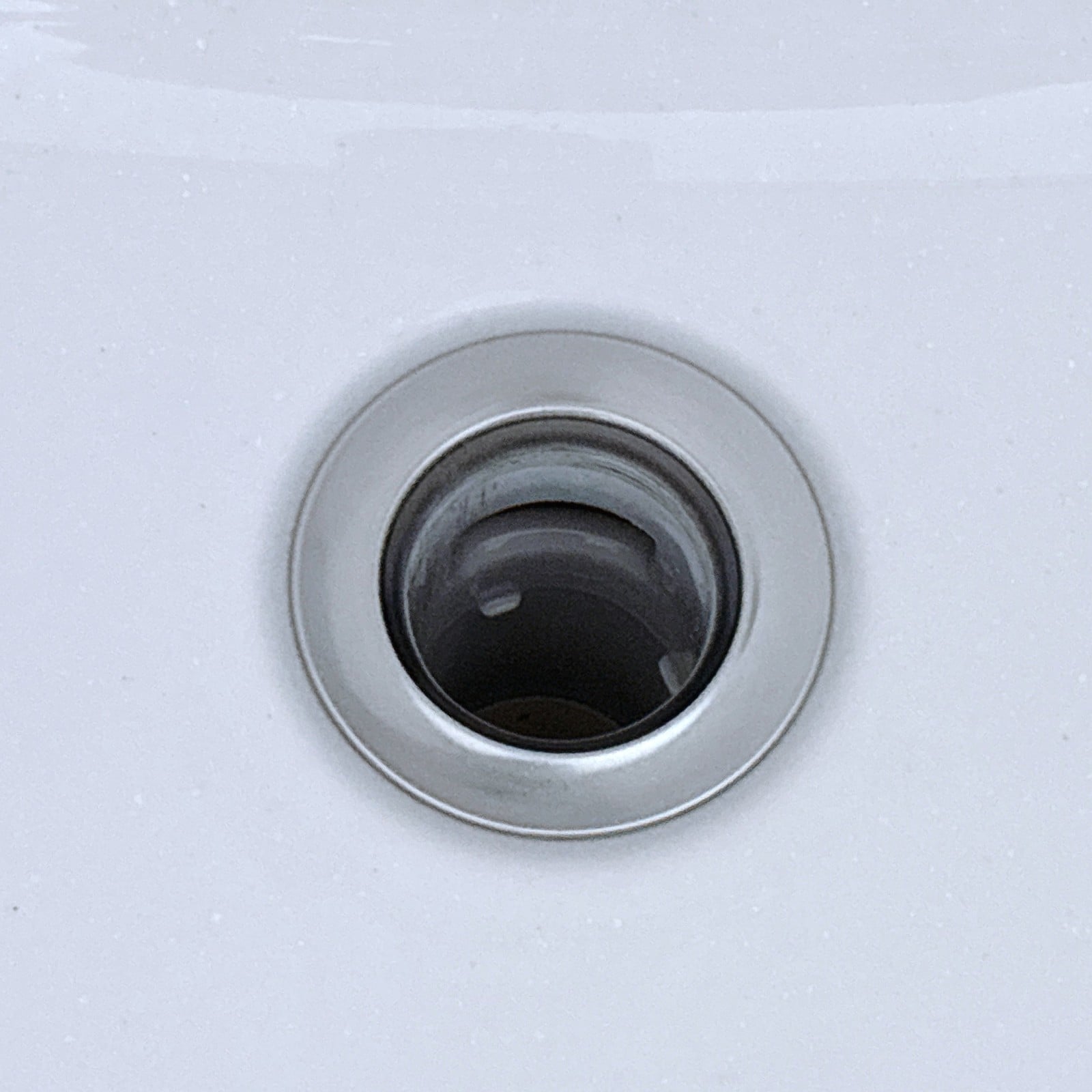
Drain flies - also called moth flies - are small flies that breed in the thin layer of organic film that builds up inside drains, overflow outlets and damp corners. In Sydney homes they usually appear in bathrooms, laundries and kitchens, and they become far more noticeable when warm, humid weather speeds up their breeding cycle. The good news is that the fix is usually cleaning and moisture work, not spraying.
Why a hot, humid week brings them out
This weekend is a good example of the conditions drain flies need. Saturday is forecast to reach around 29C with isolated showers, and early next week looks hot and dry - a pattern of warm air, high humidity and moisture that shortens the fly's breeding cycle and pushes activity up inside the home. Warm pipes and damp drain linings provide the steady conditions the larvae need, so a handful of flies can quickly become a regular presence around the basin or shower. One or two flies near a drain is common at this time of year. A repeated presence - several flies at once, or activity that returns a day after you have wiped surfaces - points to an active breeding site rather than something that wandered in from outside.
Drain flies do not bite and are not a health hazard on their own, but they indicate moisture and organic buildup - the same conditions other pests can use. Treating the source also prevents bigger problems later.
What they look like
Drain flies are small - a few millimetres long - with a fuzzy, moth-like appearance and wings held tent-like over the body. They fly in a slow, erratic, hopping pattern rather than the fast direct flight of a fruit fly. Two quick checks help confirm what you are dealing with.
- Fruit flies hover around fruit bowls, bins and fermenting food, and they are not tied to drains.
- Drain flies are most often seen resting on walls, basins and window sills near a sink, shower or overflow outlet.
If you are unsure, a clear photo of the fly and the exact spot you keep seeing it is genuinely useful for identifying the source.
Find the breeding site
Drain flies breed in the organic film - a thin, grey, slimy layer - that lines pipes and overflow outlets. Before you treat anything, find where that film is collecting.
Check the overflow outlet on basins and bathtubs - a common breeding spot that is easy to miss.
Check shower and floor drains, especially in bathrooms that are used less often.
Check the drain hose behind the dishwasher and washing machine, and the sink trap underneath.
Check dark, damp corners: under the basin, behind the toilet, laundry trough and any leak or condensation point.
The breeding site is usually within a metre or two of where the flies are landing. If activity is spread across several rooms, the source may be a shared pipe or a less obvious wet area.
Break the cycle
Drain fly control is mostly mechanical: remove the film they breed in, and the cycle stops. Spraying the air or surfaces around the drain does not reach the larvae inside the pipe, so it only gives a temporary impression of progress.
Remove the drain cover or overflow plate where possible and scrub the inner surface with a firm brush or bottle brush.
Flush the drain with hot water after scrubbing to wash the loosened film away.
Repeat on any overflow outlets and less-used drains, and repeat the cleaning weekly until activity stops.
Keep unused drains covered or run water through them weekly so the film does not rebuild.
If you use a commercially labelled drain product, follow the label exactly and never mix products or improvise mixtures. Chemical products are a supplement to cleaning, not a replacement for removing the film.
Prevention routines for a warm week
With hot weather continuing into next week, a few simple routines keep the conditions drain flies need from building up.
- Run hot water through bathroom and kitchen drains once or twice a week, especially in bathrooms used less often.
- Clear hair and soap residue from drain covers and floor drains - organic buildup is the food source.
- Dry wet surfaces and fix dripping taps or condensation; drain flies need moisture as much as film.
- Keep the bathroom ventilated after showers so humidity does not settle into nearby rooms.
These routines are worth starting now, while the warm stretch is just beginning - they are easier than chasing an established problem in summer.
When to call for help
Call a licensed technician if activity continues after thorough cleaning, if flies are appearing in multiple rooms, or if you cannot find the source. The breeding site can sit in a section of pipe or a sub-floor area that is not accessible without the right equipment. A technician can also confirm whether what you are seeing is drain flies at all - a common misidentification - and check for the moisture and entry issues that make the problem recur.
DRAIN FLIES KEEP RETURNING?
Text your suburb and which room is affected.
Tell us whether you can see the likely drain or outlet, and how long the activity has been going on.