HOME PEST PREVENTION
Spring fleas in Sydney: how pets bring them in and what treatment involves
Sydney's first warm stretch - near 29C today with showers, then a hot day early next week - is the classic start of flea season. Fleas come into a home on a pet, breed in carpets, rugs and pet bedding, and are one of the few indoor pests people notice through bites rather than sightings. Here is how the cycle works and why treatment needs to cover both the pet and the home.
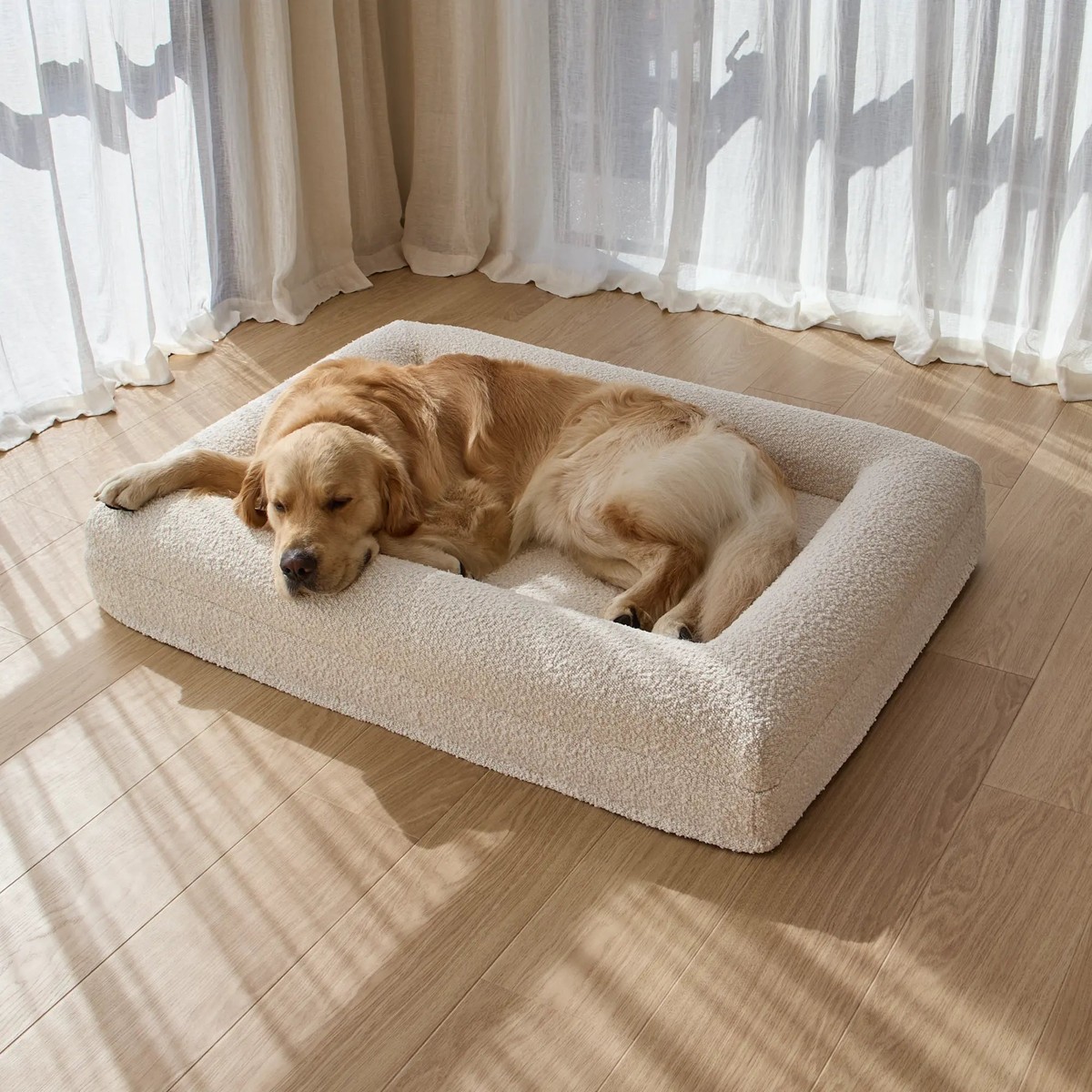
The fleas found in Sydney homes are almost always cat fleas, even on dogs. Adult fleas live on the pet, feeding on blood and laying eggs that drop off into the environment. The eggs, larvae and pupae develop in carpets, rugs, pet bedding, floor cracks and under furniture - which is why treating only the pet, or only the home, does not finish the job. Warm spring weather accelerates the whole cycle, so a few fleas in October can become a house-wide problem by summer.
Why spring starts flea season
Flea larvae need warmth and humidity to develop, which is why the first warm, showery stretch of spring - like the one Sydney is in right now - triggers a jump in activity. Adult fleas already on a pet start breeding faster, and dormant pupae in the home can emerge in a sudden wave when conditions warm up. Pets pick up fleas outdoors - from other animals, from wildlife, or from shared outdoor areas - and bring them inside, where the home provides everything the developing stages need: warmth, shelter and food debris in carpets and soft furnishings.
Fleas do not mean an unclean home. They are a seasonal, environmental pest that arrive on pets and wildlife - the treatment question is how to break the cycle, not whose fault it is.
How to confirm fleas
Fleas are small, dark, fast-moving insects that jump rather than fly. Common signs include:
- Your pet scratching, biting or licking more than usual, especially around the back and tail base.
- Small, dark specks - flea droppings, sometimes described as "flea dirt" - in your pet's coat or on bedding. A quick test: place the specks on damp white paper; if they spread a reddish-brown stain, they are digested blood.
- Itchy red marks, often in clusters around ankles and lower legs, that appear after you have been near carpets or pet bedding.
- Live fleas jumping off the pet when brushed or bathed, or seen on light-coloured flooring.
If you are unsure, comb your pet over a white cloth or paper towel and inspect the debris. A clear photo of a live flea or a sample of the droppings is useful if you ask for help.
The lifecycle you are actually treating
Adult fleas on the pet are only a small part of the population. Most of the problem is in the environment: eggs, larvae and pupae in carpets, rugs, bedding, floor cracks and under furniture. Larvae feed on organic debris and flea droppings in the carpet pile; pupae sit in a protective cocoon and can remain dormant for weeks or months, emerging when warmth or vibration signals a host nearby. This is why a single spray or a single pet treatment gives only a temporary result: it removes the adults present at that moment, while eggs and pupae continue the cycle. A complete plan treats the pet and the environment together, then follows up to catch the next emergence.
A plan that covers pet and home
Effective flea control combines three coordinated steps.
Treat the pet with a product from your vet, chosen for your pet's species and weight - not a generic or shared product.
Vacuum thoroughly and repeatedly: carpets, rugs, under furniture, pet bedding areas, floor edges and cracks. Seal and dispose of the vacuum bag or empty the canister outside after each pass.
Wash pet bedding, blankets and washable soft furnishings in hot water, and dry them fully.
Treat the home environment with an appropriate registered product - applied to carpets, floor edges and resting areas per label - or have a licensed technician treat the high-activity zones.
Expect to repeat the environmental steps over a few weeks to catch each new emergence. If the problem is established or spread across several rooms, a professional treatment targets the resting and breeding zones properly, and the technician can advise on the timing that fits your household and pets.
Prevention habits through spring
Once the current cycle is under control, a few habits keep fleas from rebuilding.
- Keep your pet on a year-round flea prevention program recommended by your vet.
- Vacuum regularly, and give extra attention to pet resting areas, rugs and under furniture.
- Wash pet bedding frequently, especially in warm weather.
- Check pets after outdoor time, particularly in gardens and shared outdoor areas.
- Manage rodents and wildlife access around the home - fleas can be carried by possums, rats and stray animals as well as pets.
Starting these now, during the first warm stretch, is far simpler than dealing with a full infestation by mid-summer.
When to call for help
Call a licensed technician if fleas persist after several weeks of pet treatment and cleaning, if the problem is spread across multiple rooms, or if you cannot keep up with the vacuuming routine the cycle needs. A technician can treat the carpets, floor edges, under-furniture zones and pet areas as a single coordinated job, and confirm the follow-up timing so the cycle is actually broken. If you are in an apartment or townhouse, let them know - shared buildings can need coordination with neighbours to stop re-infestation.
FLEAS IN YOUR HOME?
Text your suburb and whether you have pets.
Tell us how long the activity has been going on and what you have tried, and we can confirm the practical next step.