HOME PEST PREVENTION
Garden shed and outdoor storage: the wet-week check for Sydney pests
Sydney is in the middle of a cool, showery spring week - more rain today, more again on Friday. The garden shed is usually the last building checked and the first to be quietly overrun: rodents looking for shelter and dry nesting, spiders setting up in the corners, and damp boxes drawing the insects that follow. Here is the wet-week shed check.
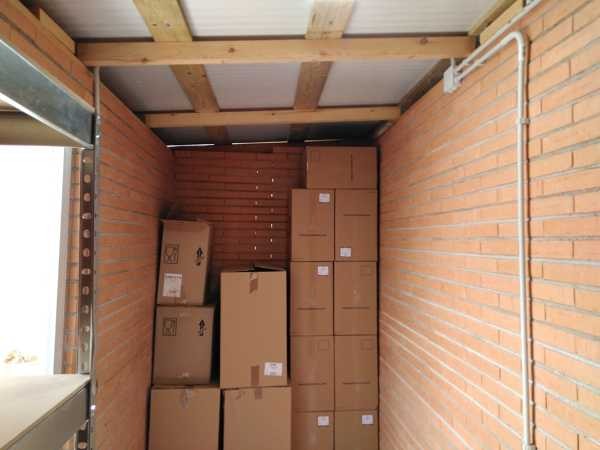
A garden shed is everything a pest wants in wet weather: dry shelter, cardboard and timber to chew, seeds and pet food if they can reach them, and a door that rarely gets opened properly. After a week of rain, the shed is where rodent droppings, spider webbing and damp boxes all end up without anyone noticing - because most people only look inside the shed when they need the lawnmower.
Why the shed matters in a wet week
When the garden is saturated and the nights drop to single digits, rats and mice move closer to buildings. A shed against the fence or the house wall offers warmth, cover and nesting material - shredded cardboard, old rags, even the insulation under a fibro or metal roof. Spiders follow the same dry ground, and damp storage boxes attract silverfish, cockroaches and the insects that feed on stored goods. The shed is not a separate problem from the house: if rodents or spiders settle there, the house is one short walk away.
Signs of activity
Look for these on the wet-week check:
Rodent droppings along the walls, on shelves and inside boxes; gnaw marks on timber, hoses, cables and plastic containers.
Shredded paper, cardboard or cloth collected into a nest - often under a bench, inside a box or in a corner.
Spider webs in the upper corners, around the door frame and behind stored items; egg sacs under shelves and the roof line.
Damp boxes, mildew smell and water stains on the floor or stored items - moisture is what makes the shed a long-term harbourage.
How pests get in
Sheds are usually less sealed than the house, which is exactly the point. The common entry points are:
The gap under the door and the edges of the door frame - roof rats need around 12 mm, mice around 6 mm.
Gaps where the wall meets the roof, especially on corrugated iron sheds.
Pipe and cable penetrations, and any broken or missing panels.
Gaps around the base if the shed sits on uneven ground - common with garden sheds on pavers or dirt.
The wet-week shed check
Ten minutes, top to bottom:
Clear the floor so the walls and corners are visible - pull boxes and equipment away from the edges.
Sweep out webs and droppings, wearing gloves; dispose of droppings carefully where rodents are present.
Check every box for gnaw marks, droppings or damp - anything chewed or wet goes to the bin or gets cleaned.
Check for water entry: leaking roof, gaps in the walls, standing water under the floor.
Seal the entry points - door seal, wall gaps, base gaps - before treating, so new rodents cannot move in.
Storing things so pests do not settle
The shed will always be a shed, but a few habits stop it being a harbourage:
Store seed, pet food and birdseed in sealed metal or hard plastic containers - never in the original bags.
Swap cardboard boxes for plastic tubs with lids where practical; cardboard is nesting material to a mouse.
Keep items off the floor - shelving and pallets give rodents and damp less cover.
Fix leaks promptly and keep the shed ventilated on dry days; a dry shed attracts far less activity.
Keep the grass and weeds cut back around the shed so there is less cover right at the door.
When to bring in a technician
Call a licensed technician if you are finding regular rodent droppings and gnawing, if activity seems to be moving between the shed and the house, if there is persistent spider activity you want cleared properly, or if you want the shed and the perimeter treated before the next wet spell. A technician will identify the species, treat the runways and harbourage points, and advise on sealing so the problem does not simply return with the next week of rain.
SHED OR OUTDOOR STORAGE?
Text your suburb and what you have found in the shed.
Tell us whether it is droppings, chewed boxes, webs or damp - and whether the shed is attached to the house - so we can confirm what is needed.