COMMERCIAL PEST CARE
German cockroaches in Sydney commercial kitchens: a hot-weather control plan
Sydney's warm stretch - near 30C on Saturday, then a hot, dry day early next week - is exactly the kind of weather that speeds up German cockroach activity in a busy kitchen. For restaurants, cafes and food businesses, the response is not one spray but a plan: find where they are sheltering, treat the harbourages, schedule around service, and keep records that hold up if anyone asks.
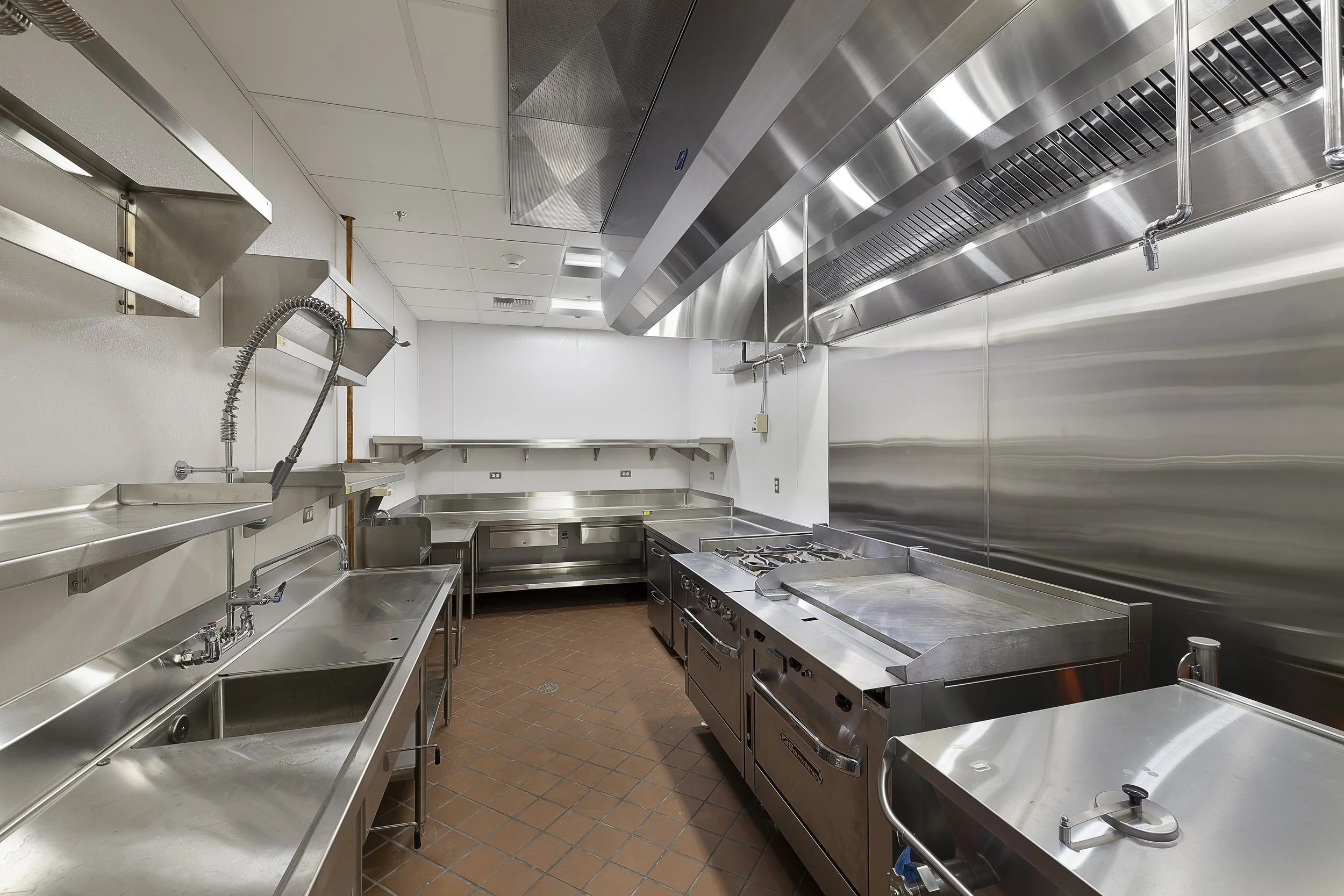
German cockroaches are the species most often found in commercial kitchens in Sydney. They are small, fast and light-brown, they shelter in tight gaps around appliances, and they are drawn to warmth, food residue and moisture - which makes a working kitchen an ideal environment. Warm spring weather shortens their breeding cycle, so a small population can grow quickly over a week like this one.
Why hot, humid days raise the pressure
This weekend and early next week are a good example. Saturday is forecast near 30C with isolated showers, and Monday looks hot and dry. Warm, humid conditions speed up cockroach development and encourage more activity at night, when kitchens are quiet. That means a sighting now is worth acting on rather than watching - by the time cockroaches are visible in daylight, the population has usually been building for a while. Kitchens are also busier in warm weather: doors stay open longer, produce arrives in cardboard, and bins fill faster. Each of those is an entry or food route, which is why a warm week often produces a spike in activity.
A single German cockroach sighted in daylight usually means the harbourage is overcrowded. Treating at that point - not after weeks of sightings - is what keeps a problem small.
What to look for
- Live cockroaches behind appliances, under benches, around dishwashers, sinks and electrical switchboards.
- Small dark droppings that look like ground pepper, most noticeable in drawers, corners and along skirting.
- Egg capsules (oothecae) - small, brown, purse-shaped cases - in sheltered gaps and behind equipment.
- A musty, oily odour in a cupboard or service area where the population has built up.
- Smear marks along skirting boards and bench edges where they run at night.
Photograph what you find and note the location and time. That record tells a technician where the harbourage is and how the population is moving.
A plan built around the kitchen
Effective cockroach control in a commercial kitchen is inspection-led. A technician works through the kitchen systematically: behind and under each appliance, inside cupboards, around the dishwasher, sinks, cool room seals and service areas, then treats the harbourages found.
Gel baits placed in small dots in cracks and crevices where cockroaches shelter - not spread on open surfaces.
Targeted crack-and-crevice treatment of harbourages rather than broad surface spraying of the kitchen.
Monitoring stations or sticky traps in key areas so activity can be checked between visits.
A follow-up visit to confirm the population is dropping and to re-treat any active harbourage.
A professional program usually needs two visits a few weeks apart - the first knocks the population down, the second catches the hatch cycle. Products used must be registered and applied strictly per label; in a food business this includes the label's requirements around food, surfaces, re-entry and ventilation.
Records and scheduling
In a commercial kitchen, what is documented matters as much as what is applied. Good practice includes:
- A service record of what was treated, the product, the rate, the areas and the date and time.
- A schedule that works around your service: treatments planned for closed hours or a designated closed-off area.
- Access for the technician to all kitchen areas - including behind heavy equipment - so harbourages are actually reached.
- A simple log of staff sightings between visits, with dates and locations, so the technician can see whether activity is shifting.
If the premises are part of a shared building, persistent activity in common areas should be reported to the strata manager or landlord, since cockroaches can move through shared wall and ceiling cavities rather than originating in your kitchen.
Prevention routines for a warm week
Between professional visits, the daily routines below make the biggest difference.
Clear food scraps from benches and equipment at closing time; wipe down and dry surfaces.
Empty and clean bins daily, and store refuse away from doorways.
Check under sinks, dishwashers and cool rooms for leaks - moisture attracts cockroaches as much as food.
Break down cardboard promptly and rotate dry stock so nothing sits for weeks.
Keep service doors and screens closed or screened, and seal gaps around pipes and thresholds where practical.
Starting these now, during the first warm stretch of spring, is simpler than reacting to an established population later in summer.
When to escalate
Call a licensed technician as soon as you see recurring activity, live cockroaches in daylight, droppings in multiple areas, or egg capsules in cupboards. A kitchen visit should cover the cooking line, dishwash area, dry store, cool room seals, subfloor and service areas together - and the treatment plan should be designed around your operating hours. Ask the technician to confirm the approach in advance: what will be treated, where products will be placed, what the re-entry requirements are, and what records you will receive.
COCKROACH ACTIVITY IN YOUR KITCHEN?
Text your suburb and the type of food business.
We can plan a discreet treatment around your service hours and confirm the records you will receive.