HOME PEST PREVENTION
The granny flat and studio pest check for Sydney spring: don't skip the second building
The smaller building on your block - a granny flat, studio, cabana or converted garage - is usually the first place pest activity shows up in spring, and the last place it gets checked. After a wet week, a twenty-minute route is enough to catch most problems.
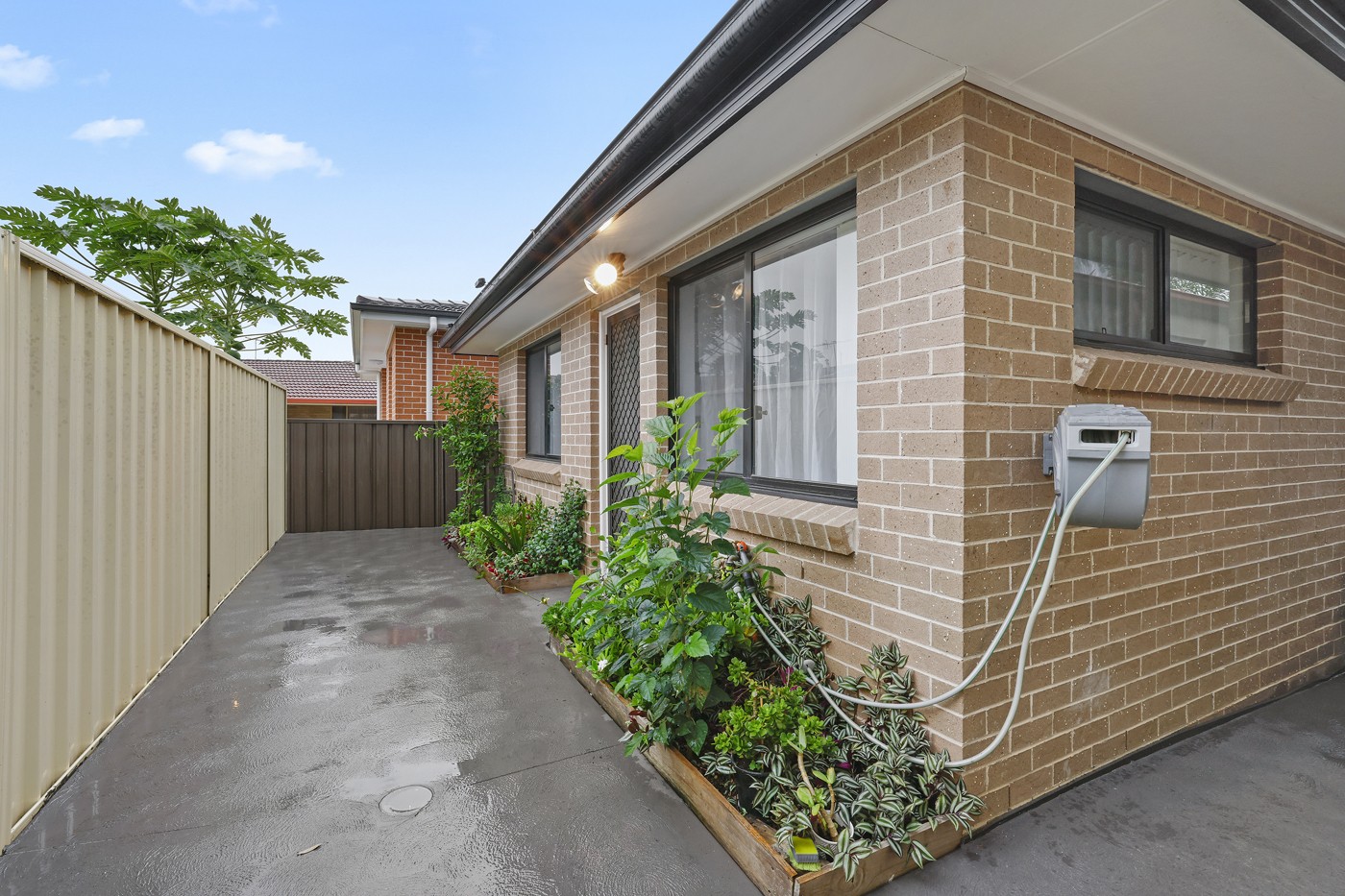
Granny flats, studios and other secondary dwellings share a wall line with the garden, sit closer to the ground and are used less often than the main house - which makes them the first place rodents, cockroaches, ants and moisture pests settle in Sydney spring. They are also the building most likely to be skipped in a routine pest check. With the wet week ending and warmer days from Monday to Tuesday climbing toward 25 degrees, this is a good weekend to give the second building the same attention you would give the main house.
Why second buildings get missed
When a pest check happens, it usually happens in the main house: the kitchen, bedrooms and living areas. A granny flat is often checked less because it is rented, used as a home office, or simply entered less often. In that quieter building, problems develop without being noticed. A wet week makes this worse. The ground around a secondary dwelling stays damp longer, timber edges and skirting sit closer to the soil, and any gap under the door goes unfixed because nobody uses the building daily. By the time the warm-up starts, what began as a single mouse or a small cockroach colony has had days to settle in.
Where problems settle first
Door thresholds and the gap under external doors - the main entry point for rodents, ants and slaters.
The subfloor area, especially if timber or insulation sits directly on damp ground.
The kitchenette or sink area, where cockroaches and silverfish find moisture and crumbs.
Stored items: boxes, bedding, clothes and tools kept on the floor or against damp walls.
Pet food, bird seed and bins kept at the back or side door of the flat.
The spring check route
Walk the outside first, then the inside, in the same order each time so you can compare on the next visit. Outside, look at the base of every wall for mud tubes, gaps and soil sitting against the timber line. Clear leaf litter, stacked timber and anything holding water against the building. Indoors, work from the door inwards: check under the sink, behind the fridge, in any cupboard and along skirting boards for droppings, shed wings, webs and trails.
Seal gaps around the external door, pipe entries and wall junctions with the right material for the gap.
Rake mulch and garden beds back from the wall line so soil does not stay wet against the building.
Ventilate the space on drier days: open windows, run exhaust fans and clear any condensation under the sink.
Store boxes, bedding and tools off the floor on shelving or in sealed containers.
Reduce moisture and food
Most spring problems in a secondary dwelling trace back to two things: damp and an easy food source. Fix leaking taps and downpipes, clear the gutter above the flat, and move pet food, seed and bins inside or into sealed containers. If the flat is used only occasionally, keep it dry and simple: nothing on the floor, no long-term food storage left open, and a quick ventilation routine after wet spells.
If you choose a commercially labelled product, use it only for its intended setting and follow the current label exactly. The APVMA explains correct chemical use. Sealing entry points and removing damp and food should come first - products alone rarely fix a recurring problem in a building that is visited less often.
When to get help
Call a licensed technician if you find established rodent droppings, cockroach activity that keeps returning, mud tubes or damaged timber, or if the flat has an ongoing damp or ventilation problem you cannot fix yourself. A technician who knows Sydney homes will treat the second building as part of the whole property - checking the main house, the flat and the space between them - so pests do not simply move across the yard after treatment.
HAVE A GRANNY FLAT OR STUDIO?
Text your suburb, the building type and what you found.
Tell us whether it is droppings, cockroaches, ants or damp, and whether the building is rented, used daily or mostly empty, and we can confirm what is worth doing.