HOME PEST PREVENTION
Pantry moths in Sydney: what a warm, humid week means for your food cupboard
Sydney is in the middle of a genuinely warm stretch - near 29C with a few showers today, then a hot, dry day early next week. That warm-and-damp pattern is exactly what speeds up pantry moths: small moths circling a food cupboard, or webbing and threads in a packet of flour or pasta, usually mean a stored-product moth has settled in. Here is how to find the source and break the cycle.
Pantry moths - often called Indian meal moths or stored-product moths - are small, light-brown moths with a coppery sheen on the outer part of the wing. They breed inside dry packaged food: flour, rice, pasta, cereal, nuts, dried fruit, chocolate, bird seed and pet food. In Sydney spring, warm, humid weather shortens their breeding cycle, so a single infested packet can turn into a steady run of moths over a week like this one.
Why a warm, humid week speeds them up
This weekend is a good example of the conditions pantry moths need. Saturday is forecast to reach around 29C with isolated showers, and early next week looks hot and dry. Moth eggs and larvae develop faster in warmth, and the humidity helps the larvae move between packets. A cupboard that was quiet through winter can suddenly produce several moths a day once the warm weather arrives - and each female can lay a large number of eggs across nearby food. The moths you see flying are only the adult stage. The damage - webbing, clumped grain, fine threads across a packet - is done by the larvae, which are small, off-white caterpillars that crawl out of infested food to spin cocoons in cupboard corners, under lids and along shelf edges.
Pantry moths do not bite and are not a health risk on their own, but they contaminate food and spread quickly. Finding them early - during the first warm stretch - keeps the job to one cupboard rather than the whole kitchen.
How to tell it is a pantry moth
A few quick checks separate pantry moths from other small indoor moths and flies.
- Small moths (about 8-10 mm across) flying in a quick, zig-zagging pattern around cupboards, food storage or pet food - not around houseplants or drains.
- Fine silken webbing across the top of a packet, or grain clumped into threads inside flour, rice or cereal.
- Small cocoons - greyish, rice-grain-sized cases - in cupboard corners, under jar lids or along shelf edges.
- Damaged packaging: tiny holes chewed through cardboard, paper or thin plastic at seams and folds.
If the moths are more often near the washing or wardrobe, the problem may be clothes moths instead - a different pest with a different treatment. A clear photo of the moth and the exact spot you keep seeing it is genuinely useful for confirming what you are dealing with.
Find the source before you clean
Treating the moths you see is not enough - the source is a packet, and it needs to be found. Go through the food cupboard methodically, shelf by shelf.
Check flour, rice, pasta, cereal, oats and breadcrumbs - the most common breeding sites.
Check nuts, dried fruit, chocolate, biscuits, tea, spices and stock powders, especially older packets at the back.
Check pet food and bird seed, which are frequent sources and often stored near the floor.
Look inside packets, at seams and folded closures, and under jar lids where larvae spin cocoons.
Inspect rather than assume. If a packet shows webbing, clumped grain or holes, seal it in a plastic bag and dispose of it outside the home. Freezing suspect packets for a few days also kills larvae and eggs if you prefer not to throw food away - but the packet still needs to be checked before it goes back into storage.
Clean the cupboard properly
Once the source packets are out, the cupboard itself needs a proper clean - moths survive in crumbs, corners and under shelf paper.
Empty the cupboard completely and vacuum the shelves, corners and gaps with a crevice tool.
Wipe all surfaces with warm soapy water or a mild cleaning product; dry thoroughly before restocking.
Check and clean under shelf paper and in any gaps where cocoons can hide.
Vacuum or clean the floor and skirting in front of the cupboard too - larvae crawl out to pupate nearby.
Avoid broad spraying of food storage areas with insecticide. Cleaning and removing the source is the effective step; any product used in a food area must be suitable for the surface, used strictly per label, and kept well away from food and utensils.
Prevention routines for a warm week
With warm weather continuing into next week, a few storage habits keep the conditions pantry moths need from rebuilding.
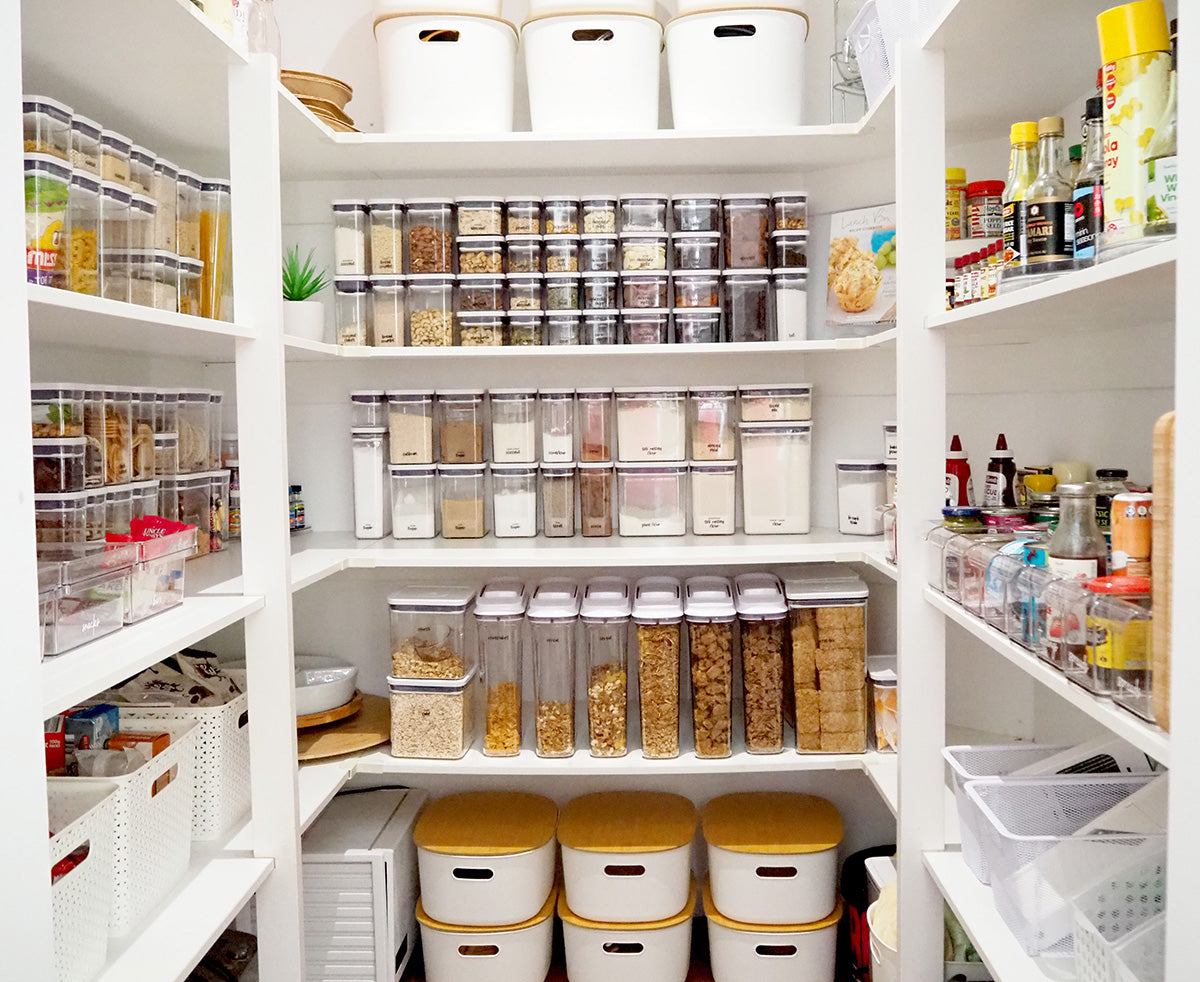
- Store opened dry goods in sealed glass or rigid plastic containers - this is the single most effective habit.
- Check new packets at the seams before putting them away, and buy only what you will use in a reasonable time.
- Rotate stock: bring older packets to the front and use them first.
- Wipe up spills and crumbs promptly, and keep the cupboard ventilated and dry.
- Store pet food in a sealed bin rather than an open bag.
These routines are worth starting now, while the warm stretch is just beginning - they are far easier than clearing a fully infested cupboard later in spring.
When to call for help
Call a licensed technician if moths keep appearing after a full clean, if the source keeps turning up in different packets, or if the activity seems to spread beyond the kitchen - a technician can trace the source, check less obvious spots such as behind appliances and under the house, and confirm whether what you are seeing is pantry moths at all. Tell them what you have found and what you have already cleaned, so the visit is targeted rather than a general spray.
PANTRY MOTHS KEEP COMING BACK?
Text your suburb and which cupboard is affected.
Tell us what you have found and cleaned already, and we can confirm the next practical step.