HOME PEST PREVENTION
Selling your Sydney home in spring: the pest checks buyers notice
Spring is Sydney's selling season, and it is also the season when termite activity and pest activity pick up. Buyers, building inspectors and termite inspectors all look at different things, and a small amount of preparation before your first open home can prevent a question at the negotiating table. Here is what gets noticed and what is worth doing.
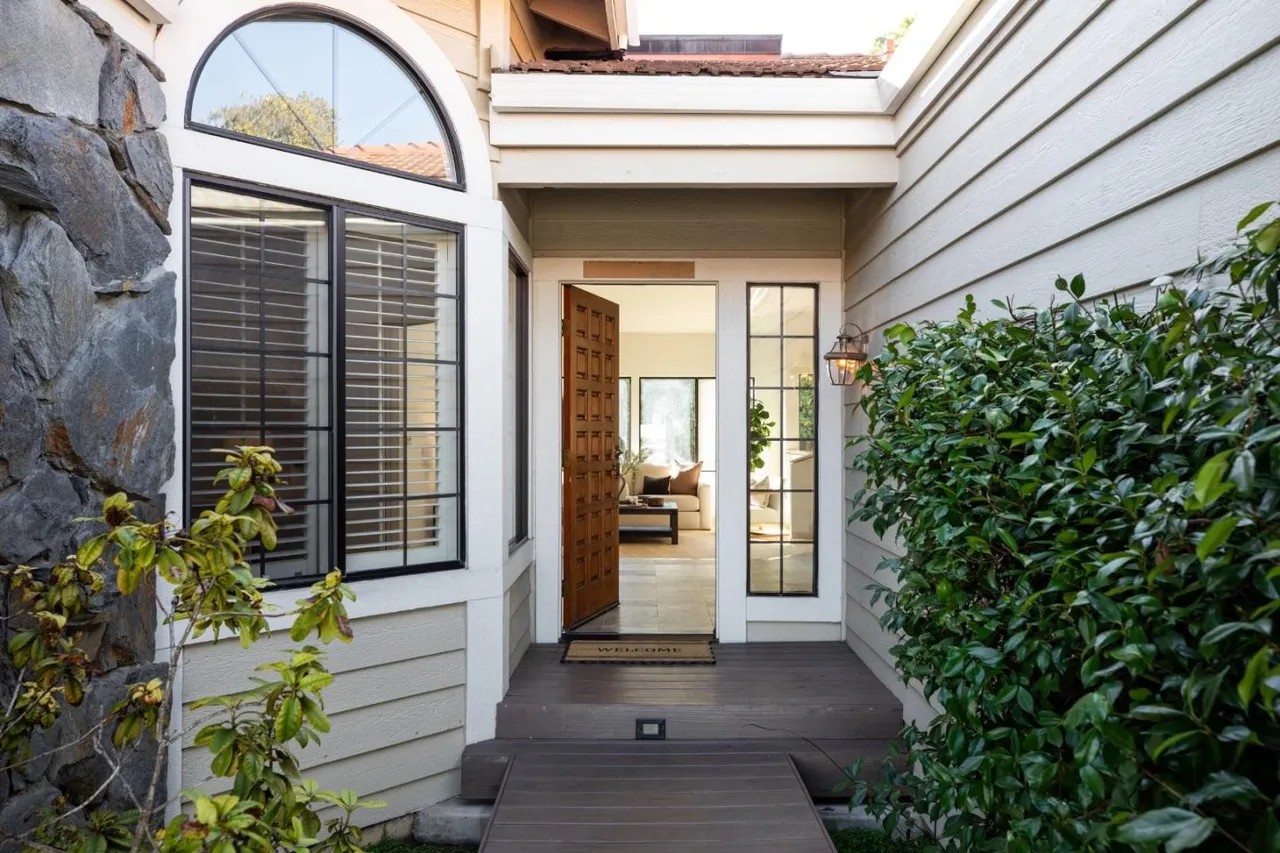
In New South Wales, a vendor does not have to provide a pest report, but buyers frequently arrange a pre-purchase building and pest inspection before bidding or exchanging. Those inspections are visual and practical: the inspector looks for visible signs of termites, rodents, cockroaches and other pests, checks roof voids, subfloors and the exterior, and reports what they can see - and what they could not access. Sellers who prepare before the first open home give themselves the best chance of a clean inspection and a smoother sale.
What buyers and inspectors notice
The inspection looks for visible evidence, not vague worries.
- Termite signs: mud tubes on foundations and walls, winged swarmers or their wings near windows and doors, damaged or hollow-sounding timber, and frass (fine wood dust) from activity in roof voids and subfloors.
- Rodent signs: droppings in roof voids, subfloors, garages and storage areas, gnaw marks on wiring and timber, and nests in insulation.
- Cockroach and ant signs: live insects, droppings in cupboards, ant trails around the slab edge and skirting, and evidence of past activity in kitchens and bathrooms.
- Wasp and bee activity: active nests under eaves, in roof voids, or in trees close to the house - a safety and maintenance issue inspectors will note.
- Exterior conditions: timber or stored material stacked against the house, tree branches touching the roof, blocked gutters and downpipes, and moisture problems that encourage pest activity.
A pre-purchase inspector will also list anything that prevents access - locked roof hatches, stored items in the subfloor, clutter against walls - and report it as a limitation. Clear access makes the report cleaner.
Checks to do before open homes
Six to eight weeks before your first open home is a practical window. The checklist:
Book a termite inspection with a licensed technician, timed to finish before inspection season begins.
Deal with any rodent, cockroach or ant activity before it becomes visible - treatments need follow-up time.
Have active wasp or bee nests removed safely and early, especially in eaves and roof voids where they are hard to ignore.
Clear the roof void and subfloor of stored items so inspectors can access them fully.
Move timber, firewood, compost and stored material away from the house exterior and off the slab edge.
Trim tree branches away from the roof and clean gutters and downpipes before the hot season.
Acting before open homes, rather than after a buyer's report, keeps the process in your hands - a signed treatment record from before the sale is worth more than a promise to fix it later.
Records worth keeping
Documentation turns preparation into evidence.
The latest termite inspection report, with the date and the technician's details.
Treatment records: invoices, certificates and any warranty or service period still active.
Records of the building's termite barrier - whether a reticulation system, a chemical barrier or a physical system - including the last service date.
Maintenance history for gutters, drainage and repairs that reduce moisture and pest pressure.
Buyers and their inspectors respond well to a file that shows the property has been inspected, treated and maintained. It is also the record a future owner needs to keep the protection going.
Timing it right
Spring selling season runs through the same weeks as termite swarm season, so inspectors and technicians book up early. Practical timing:
- Six to eight weeks out: book the termite inspection and any treatment visits, and start the exterior clean-up.
- Three to four weeks out: complete treatments, install or verify baiting where needed, and arrange the final pre-sale tidy of roof void and subfloor access.
- Just before open homes: a final walk-through of visible areas - no open bins, no pet food outside, no nests under the eaves that have appeared since the tidy.
Avoid scheduling pesticide application on the morning of an open home. Treatments that need ventilation, or bait that needs time to work, should be finished well before anyone walks through.
Working with a technician
A licensed technician can combine the pieces: a thorough termite inspection, treatment of any active rodent or cockroach activity, safe removal of nests, and clear written records you can present. Tell them your selling timeline and any known history - previous treatments, barrier details, past sightings - so the work is targeted and the paperwork is complete before the first inspection.
SELLING SOON?
Text your suburb and your inspection timeline.
Tell us what you know about the property's pest history, and we can confirm what checks and records are worth doing before your first open home.