HOME PEST PREVENTION
Spiders after the rain: why a showery Sydney week sends them indoors
This is day three of a wet spring week in Sydney - heavy rain on Tuesday, showers this afternoon and evening, and a wetter Friday ahead. Cool, showery weather pushes spiders indoors looking for dry shelter, and that is why more of them appear inside this week. Here is where they hide, how to check calmly, and what actually matters.
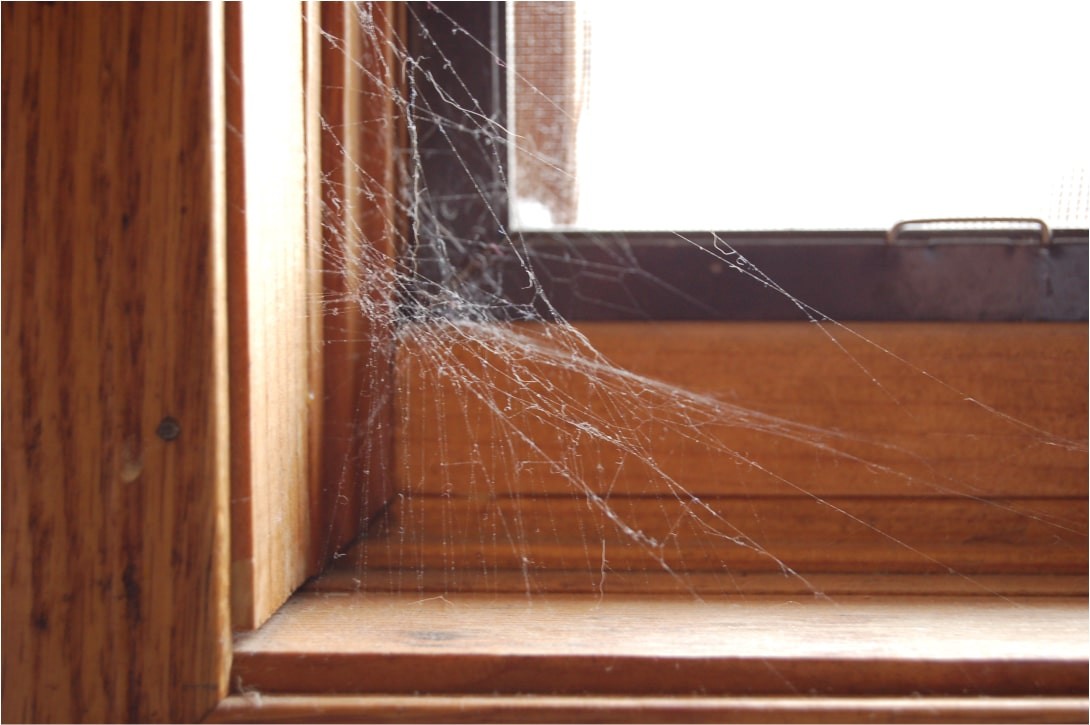
A week of rain changes where Sydney spiders live. The species that normally sit in the garden, under eaves, in the subfloor or around outdoor furniture need dry ground to build a web and a dry place to rest. When the garden is saturated and the temperature drops to 9-19C, they move under cover - and "under cover" often means the gap under the back door, the laundry, the garage or the corner of a bedroom.
Why wet weeks bring spiders inside
Spiders are not trying to move in permanently. They are following two simple needs: dryness and prey. Rain flushes insects out of the garden soil and leaf litter, and cooler weather slows their normal outdoor cycle, so insects shelter in the same dry gaps spiders want. Where the prey goes, the spider follows. This is why sightings often cluster a few days into a wet week, rather than on the first day of rain - the insects move first, then the spiders.
Most spiders seen indoors during a wet week are harmless strays - black house spiders, daddy long-legs, huntsman - that wandered in looking for dry cover. Very few species in Sydney are a health concern, and the ones that are can be managed calmly.
Which spiders you are likely to see
The common indoor visitors during a wet week are:
Black house spiders (Badumna insignis) - dark, sturdy webbing in window corners and door frames.
Daddy long-legs (Pholcus phalangioides) - often in rooms, bathrooms and garages; harmless to people.
Huntsman spiders - large and fast-moving, usually hiding behind furniture, curtains and in cars rather than webbing.
Redback spiders (Latrodectus hasselti) - mostly outdoors in sheltered spots: under garden furniture, in letterboxes, pot plants and the meter box.
Our separate guides cover redback and funnel-web identification and what to do if you are bitten. This guide is about the wet-week pattern: why they come in and how to reduce the sheltered spots near the house.
Where they hide
After a few wet days, check these spots first:
Door gaps and the gap under the back door - the most common entry point at ground level.
Window frames, flyscreen corners and the folds of curtains.
The laundry, garage and storage areas - dry, quiet and full of corners.
Behind furniture against walls, especially in cooler rooms that were unused during the warmer days.
Shoes, boots and garden gloves left outside or in the porch - always shake them out in spider season.
The calm wet-week check
A spider check is a slow, visual sweep, not a hunt:
Work top to bottom in each room, looking at ceiling corners, window frames, then floor edges.
Check under and behind furniture with a torch; most finds are webs, not spiders - sweep webs with a broom or duster.
Shake out shoes, boots, garden gloves and outdoor cushions before use.
Leave spiders outside where possible - relocate a jar over a paper, rather than killing every one; they are pest control themselves.
Reducing the sheltered spots
The lasting fix is to reduce the dry, sheltered routes into the house:
Fit door seals and weather strips, and repair damaged flyscreens.
Clear clutter against exterior walls - firewood stacks, pot plants, stored boxes - so fewer harbourage spots sit right next to the entry points.
Move garden furniture, kids toys and outdoor cushions away from walls and the back door.
Fix leaking taps and drips that keep surfaces damp - damp corners attract the insects, which attract the spiders.
Keep the garage and laundry tidy, and store things in sealed containers rather than cardboard boxes.
When one actually matters
Two species deserve a calm, specific response. Redback spiders are most active in warm months and shelter in dry spots near the ground - under outdoor furniture, in letterboxes, meter boxes and pot plants. Funnel-webs are found in moist, sheltered places, typically in the garden and subfloor rather than in the living areas of a house. If you see either, keep your distance and call a licensed technician rather than handling it. If anyone is bitten, follow the standard first-aid guidance and seek medical help for any concerning symptoms.
When to call for help
A few stray spiders during a wet week is normal and settles as the weather dries out. Call a licensed technician if you are finding them regularly inside, if you keep seeing redbacks around the house and garden, if there are children and pets playing in the areas where they are appearing, or if you want the exterior treated before summer ramps spider activity up again. A targeted exterior and perimeter treatment, along with sealing work, breaks the wet-week pattern properly.
SPIDERS IN THIS WEEK?
Text your suburb and where you are seeing them.
Tell us whether the spiders are inside, around the garden or in the garage - and whether you have seen redbacks - so we can confirm what is needed.