HOME PEST PREVENTION
Sydney roof void spring check: rodent entry, moisture and nests before the wet week
After the season's first heavy rain and thunderstorms today, Sydney faces a week of cool, showery weather. The roof void - the space between the ceiling and the roofline - is where rodent entry, moisture, wasp nests and termite signs all collect, and it is the area homeowners check least. Here is what to look for safely, and what should always be left to a professional.
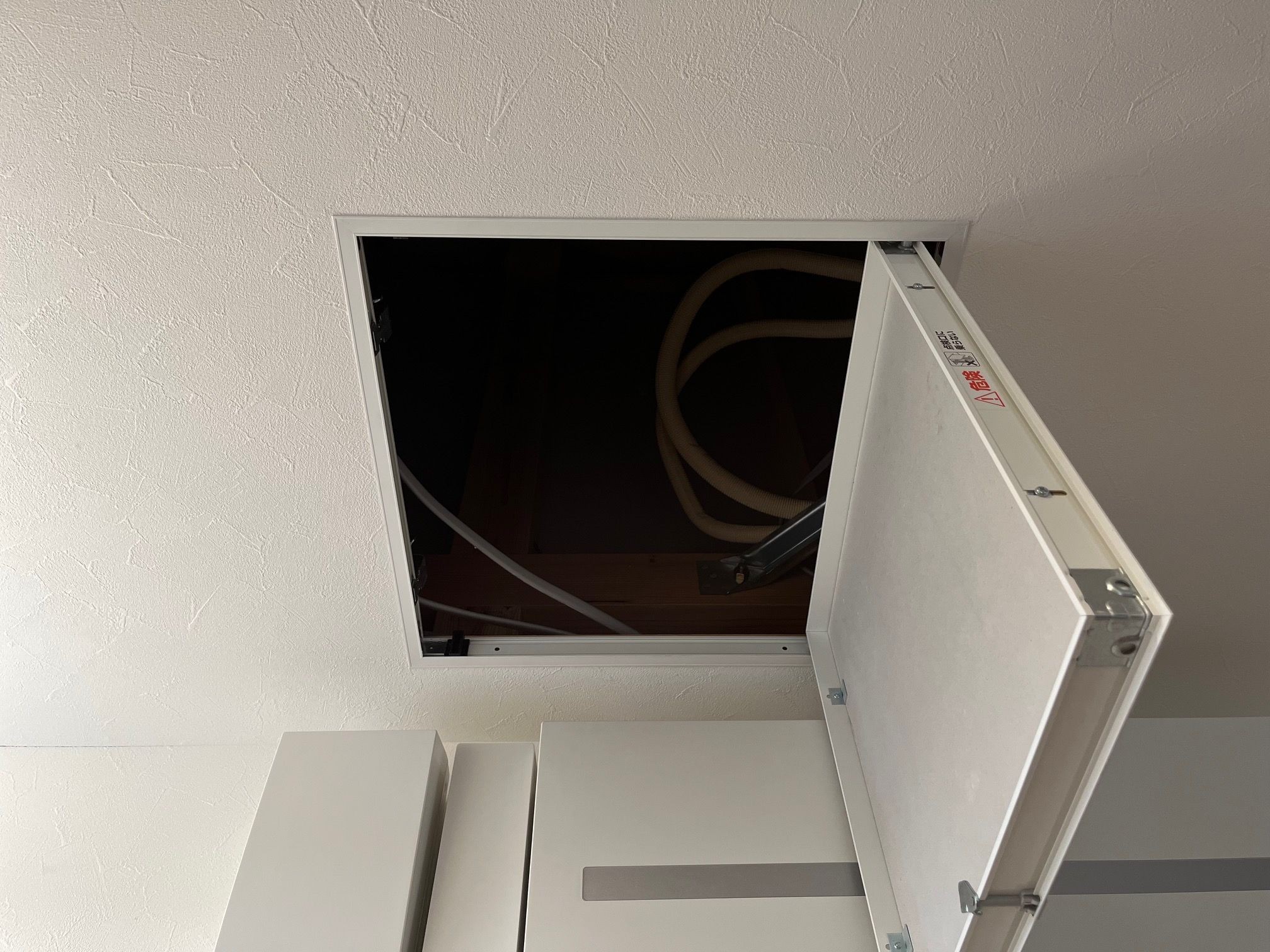
Sydney's roof rats (Rattus rattus) are named for a reason: the roof void is their preferred home. Wet, cool spring weather pushes them deeper into sheltered spaces, wasps begin building the season's nests under eaves and in soffits, and moisture from a week of rain collects where ventilation is poor. A ten-minute check after heavy rain - done safely - tells you whether the roof space needs attention before summer.
Why the roof void matters in wet spring
The roof void sits above the insulation, between the ceiling and the roofline. It has three things pests need: warmth, shelter and access points. Rodents enter through gaps at the eaves, around pipes and cables, and through broken vents. Wasps and bees enter through soffit gaps and build nests on rafters and under eaves. Moisture collects where vents are blocked or insulation is compressed, and damp timber is more attractive to the insects and moulds that follow. In a wet week, all three problems can develop in the one space without anyone noticing from inside the house.
Signs to look for
From the hatch or a safe vantage point, look for:
Rodent signs: droppings on insulation and framing, gnaw marks on wires and timber, shredded insulation or shredded material used as a nest.
Moisture signs: dark stains on timber, a musty smell, wet or compressed insulation, and visible daylight through gaps in the roofline.
Wasp and bee activity: consistent buzzing, wasps or bees entering and leaving through soffit gaps, and paper-like nest edges visible under the eaves or on rafters.
Termite signs: discarded wings near vents or skylights, mud tubes along timber members, and fine wood dust (frass) below rafters.
Checking it safely
A roof void is not a place to push limits. The safe rules:
Use a solid ladder, have someone hold it, and never stand on the ceiling joists if you are not sure of their condition.
Keep the check visual - look from the hatch with a torch, and photograph what you see rather than reaching in.
Do not touch, poke or spray a wasp nest. Spring nests are small, but wasps defend them instantly and nests in roof voids are hard to retreat from.
Do not disturb termite signs - no mud tubes, wings or frass should be knocked down, because the activity will simply move and the evidence is lost.
Rodent entry points
Roof rats only need a gap of around 12 millimetres; house mice can squeeze through gaps around 6 millimetres. The common entry points are:
Gaps between the fascia and roofline, and where roof sheets meet the wall.
Holes around roof penetrations - antenna and solar cables, air-conditioning lines, plumbing vents.
Broken or missing vents, and gaps around vent frames.
Tree branches touching the roofline, which act as a bridge from the garden to the roof.
Sealing these is the long-term fix, but only once any existing population is removed - otherwise rodents find the next gap.
Moisture and condensation
A week of showers raises humidity, and the roof void often cannot shed it. Poor ventilation leads to condensation on the underside of the roof sheeting, damp insulation and stained timber. Moisture in the roof void attracts more than mould: it makes the space more attractive to silverfish, cockroaches and the insects that feed on damp material. The practical steps are checking soffit and roof vents are clear, removing anything blocking airflow, and fixing any leak before it stains ceilings below. If insulation is soaked, it should be dried or replaced - compressed, damp insulation also hides rodent nests.
Wasps, bees and termites
Spring is nest-building season for wasps, and wet weather makes eaves and soffits attractive nesting sites. A nest found early in spring is small and far easier to remove than the same nest in summer - which is why an early check pays off. Treating a nest in a roof void is a job for a licensed technician with the right protection and access equipment, never a DIY spray.
Termites are the most serious finding. After spring swarm season and a wet week, roof voids are one of the places subterranean termites appear once they have moved up through wall cavities. Discarded wings, mud tubes on timber and frass are the signs to photograph and report - not disturb. A licensed termite inspection covers the roof void as part of the AS 3660 inspection process, which is the reliable way to know what is in the space.
What a technician does
A licensed technician enters the roof void properly: full inspection of rafters, framing, insulation and entry points, safe removal of any wasp nest, rodent treatment along runways and in the roof space, sealing of identified entry gaps, and clear documentation of what was found. If termite activity is found, the inspection report records it and a treatment plan follows. After a wet week, this is one of the highest-value checks a Sydney home can have before summer.
ROOF VOID CHECK?
Text your suburb and what you have seen in the roof space.
Tell us whether you have noticed sounds above the ceiling, droppings, wasps at the eaves or water stains - and we can confirm what needs attention.