HOME PEST PREVENTION
The wet-week recheck for Sydney homes: what to look for before the warm-up
A check at the start of a wet week catches the obvious. A recheck after days of rain catches what changed - standing water, saturated drains, moisture and pests that moved in while the weather settled in.
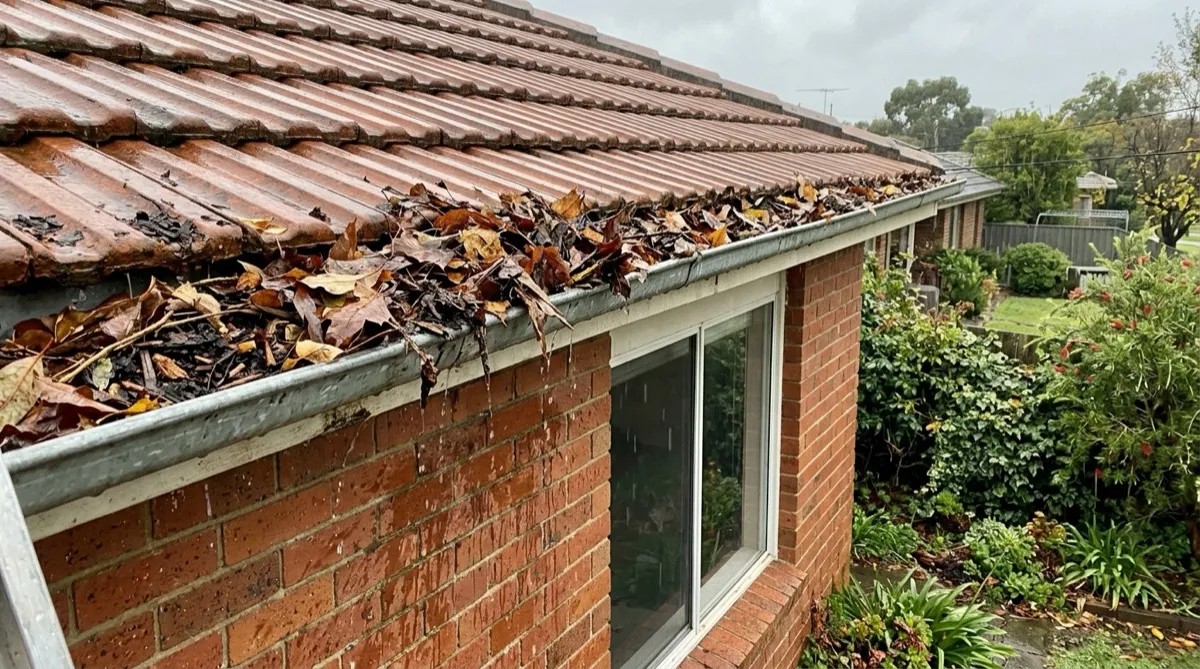
By the time a Sydney week of showers reaches its fifth or sixth day, the conditions around a home are very different from the first wet morning. Drainage that coped on day one may be saturated, water that ran away is now pooling, and the pests that shelter from rain have had time to move in. With showers forecast through Saturday and warmer days from Sunday to Tuesday, a recheck before the warm-up is the highest-value twenty minutes of pest prevention you can do this week.
Why a recheck matters
A first check is a snapshot. It tells you what is happening on that morning, when the ground is still absorbing water and pests have not yet settled. A recheck is a comparison: it shows what built up while the rain kept falling. Roof voids and subfloors that were dry may now be damp. Pots, saucers and low spots that drained once are holding water by day five. Rodents that were passing through may have found a permanent shelter. The warm-up that follows makes the difference more visible, because ants, mosquitoes and cockroaches all become more active in the first warm days after rain.
What changes during a wet week
Standing water appears where it did not before: saucers, buckets, blocked gutters, downpipe outlets and low paving.
Soil settles against the wall line and mulch stays wet, creating shelter for slaters, millipedes and ants.
Entry-point gaps that were dry now show moisture or debris, an easier route for rodents and cockroaches.
Roof voids and subfloor spaces stay humid, which suits silverfish, spiders and occasionally termite activity.
Mosquito breeding accelerates in any water that has sat for several days, especially as temperatures climb.
You are not looking for new problems to panic about. You are comparing conditions with a few days ago so you can clear the water and seal the routes before pests build numbers.
The recheck route
Gutters and downpipes: check outlets for blockages and water sitting at the base of the house.
Garden beds and paving: rake mulch back, tip pot saucers and clear low spots that hold water.
Doors, vents, subfloor and roof-void access: look for damp, droppings, webs and gaps that widened during the rain.
Indoors: check under sinks, behind the fridge, in the laundry and bathroom for condensation, leaks and new droppings.
Water tanks and outdoor storage: confirm lids are sealed and nothing stored against the house is wet and undisturbed.
Do the route in the same order each time and note what changed since the last check. That comparison is what makes a recheck more useful than a fresh look at the same spots.
Record what changed and decide the next step
Keep a simple note: date, what was wet, what had debris or droppings, and anything you cleared. If you find a recurring leak, blocked drain or structural gap, report it to the property manager or strata contact with a photo and date if you rent or live in a shared building. Most wet-week issues respond to water removal and sealing. If you use a commercially labelled product for mosquitoes or cockroaches, use it only for its intended setting and follow the current label exactly.
The APVMA explains correct chemical use. Do not improvise mixtures, use products off label, or treat spraying as a substitute for clearing water and sealing entry points.
When to call
Call a licensed technician if the recheck shows established rodent activity or droppings, cockroach activity that keeps returning, standing water you cannot fix in drains or gutters that need a tradesperson, or if you want a professional treatment before the warm weather builds numbers. A technician who knows Sydney homes will check the source, treat the entry points and set a sensible follow-up, which is more useful than repeated DIY treatments during the busiest weeks of spring.
DONE YOUR RECHECK?
Text your suburb, property type and what the second check found.
Tell us whether it is standing water, droppings, moisture or recurring pests, and we can confirm what is needed.