OUTDOOR PEST PREVENTION
Balcony and verandah pest prevention for Sydney spring: stopping pot plants, bird nests and gaps from inviting pests inside
Balconies and verandahs sit right at the edge of the home, and in a warm, damp Sydney spring they collect everything pests need: saucer water, plant soil, leaf litter and birds nesting in the roofline. A short spring check keeps ants, cockroaches and mosquitoes from treating your outdoor space as a staging area for moving indoors.
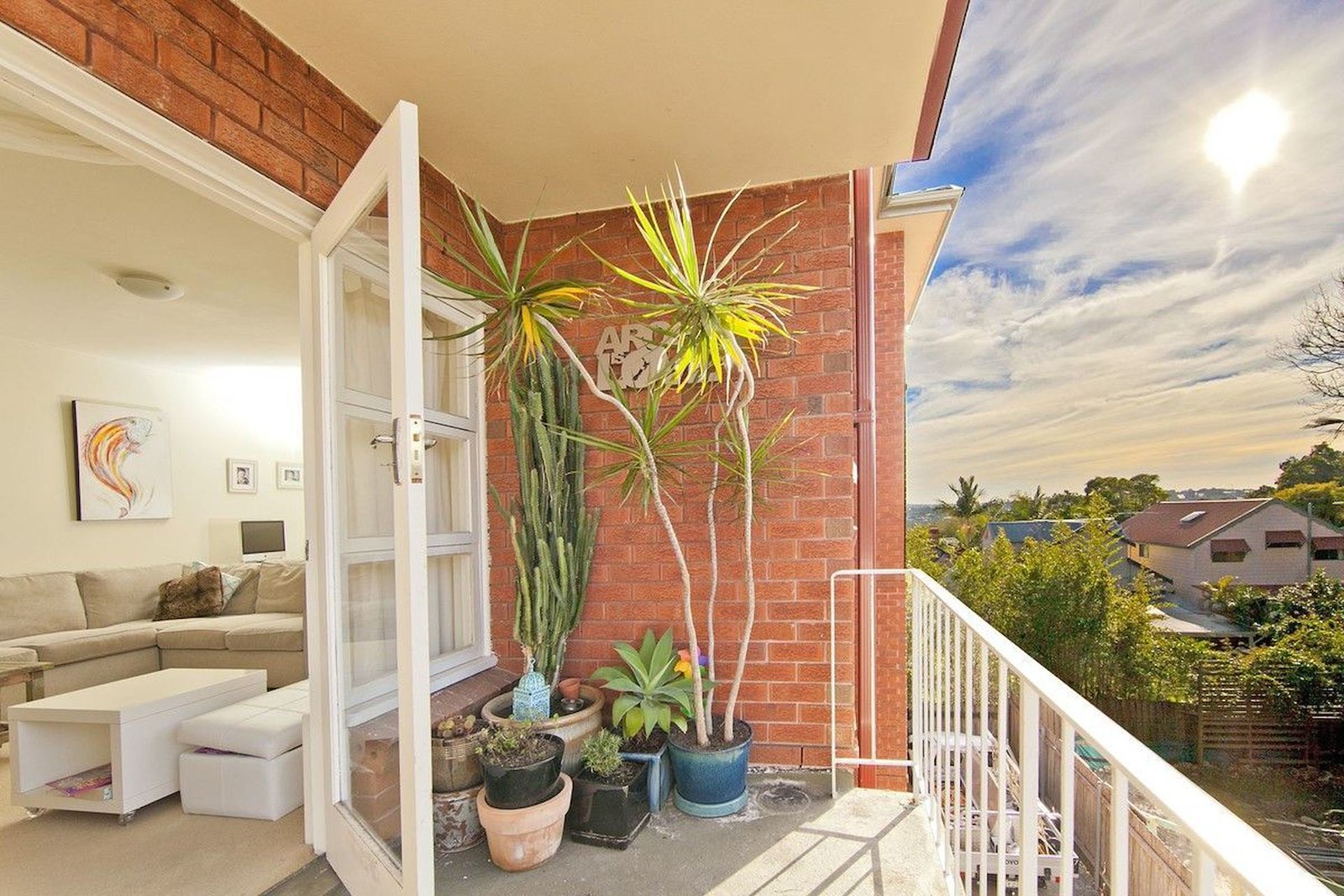
A balcony or verandah is the part of the home that most resembles a garden in miniature: pot plants, stored gear, and the sheltered edge of the roof where birds like to nest. In spring, with the weather warming to the low twenties in Sydney and the recent wet week still leaving moisture behind, that small space becomes very attractive to pests. Ants follow plant soil and food residue, mosquitoes breed in the water left sitting in saucers, cockroaches shelter in stored crates and gaps, and bird mites and fleas can drop in from a nest above. None of this is dramatic - but most of it is preventable with twenty minutes and a checklist.
Why spring changes balconies and verandahs
Three things change at this time of year. More time is spent outside, which means more food, drink and foot traffic through the door. The warmer, humid conditions - showers around 23 degrees through Wednesday in the Sydney area - keep plant soil and leaf litter damp for longer, which suits the insects that feed on moisture and mould. And nesting birds are active, using the roofline, downpipes and pergola beams that a verandah naturally provides. Each of those, on its own, is harmless; together they form a supply line of food, water and shelter that reaches straight to your door.
Pot plants and saucers
Pot plants are the biggest pest magnet on most balconies. Water that sits in saucers and pot trays is where mosquitoes lay eggs, and damp soil plus leaf litter is where ants, booklice and fungus gnats establish. Pests do not need a big water source - a saucer of a few centimetres is enough for mosquitoes in spring.
Empty saucers and pot trays after watering, and tip out any water that has collected after rain.
Keep pot plants off the floor on feet or a stand, so air moves underneath and ants have fewer sheltered routes.
Clear fallen leaves and spent flowers promptly - they hold moisture and hide insects.
Do not stack pots and trays against the door or the sliding track; leave a gap that can be swept and inspected.
Check under pots for ants tending aphids on the plants above - the ants are often the first sign.
Bird nests and rooflines
Birds nesting in the roofline, under the verandah roof or in a downpipe can leave more than feathers behind. Bird mites and fleas from the nest can make their way inside through gaps around doors and windows, and the droppings attract flies in warmer weather. You do not need to remove every active nest, but you do need to know what is up there and to manage the gaps between the roofline and the home.
Look up at the roofline, pergola beams, downpipes and under the verandah roof for nests, droppings and feathers.
If a nest is empty or abandoned, remove it and clean the area; if it has eggs or chicks, wait until the birds leave and the nest is no longer active.
Check ventilation grilles and roof gaps for holes birds can use, and seal any that let them under the roof.
Sweep droppings away from doors and windows, and keep the area under a known nest clear of stored items.
Door and window entry points
The balcony is only a staging area; the goal is to keep pests out of the rooms behind it. Most spring invasions happen through a gap at the base of a door, a torn flyscreen, or a pipe and cable penetration that was never sealed. Checking these routes is quick and it is where prevention pays off.
Check the door bottom seal and the gap under the door; a worn or missing brush seal is an open invitation for ants and cockroaches.
Inspect flyscreens for tears and gaps at the edges, and replace or patch them before the warmer months.
Seal gaps around pipes, air conditioner lines and cables that pass through the wall, using a suitable sealant.
Keep outdoor lighting from shining directly on the door, or use warm-toned bulbs - bright lights draw flying insects at night.
A spring balcony routine, and when to get help
A good routine is simple: empty saucer water, clear leaf litter, sweep the floor weekly, keep the door sealed, and look up at the roofline a couple of times through spring. If you find ants trailing along walls or up to the door, cockroaches sheltering under crates or plant stands, or you are managing a shared building where a neighbour's balcony or nest is causing recurring problems, call a licensed pest technician. A technician who knows Sydney apartments and homes will find the entry points, treat the outdoor harbourage and seal the routes, so the problem stays outside where it belongs.
If you choose a commercially labelled product for outdoor use, use it only for its intended setting and follow the current label exactly - the APVMA explains correct chemical use. On a balcony, removing water, litter and nests is the durable fix; spraying around pots without doing that rarely stops the source.
PESTS ON YOUR BALCONY?
Text your suburb and what you are seeing.
Tell us whether it's ants trailing from pot plants, water in saucers, a nest in the roofline, or pests coming through the door - we can confirm what is worth doing.