HOME PEST PREVENTION
Bed bugs in Sydney this spring: what to check after travel, moving and second-hand furniture
Spring in Sydney is travel and moving season, and bed bugs come home in luggage, second-hand furniture and packed boxes. A warm, humid week gives them the conditions they like, so a short check after trips and deliveries is worth doing - before an unnoticed hitchhiker turns into a bedroom problem.
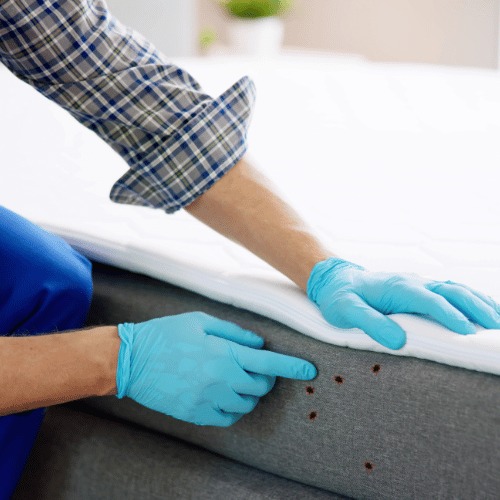
Bed bugs are not a sign of a dirty home, and they are not seasonal the way ants or mosquitoes are. What makes them show up in spring is behaviour: more weekend trips, the moving season in full swing, and second-hand furniture changing hands at garage sales and online marketplaces. A warm, humid stretch like the one Sydney has just had - with showers around 23 degrees through Wednesday in the Sydney area - also keeps them active and breeding faster. The good news is that a deliberate check takes about twenty minutes, and catching a problem early is the difference between a single treatment and a long campaign.
Why bed bugs show up in spring
Bed bugs travel with people, not through walls or gardens. They hide in seams, cracks and folds during the day and come out at night to feed, which is why they are so good at moving unnoticed: a few eggs or a single adult in the seam of a suitcase, the frame of a second-hand bed, or the underside of a box of books is enough to start a new population. Spring concentrates those risks in Sydney - the school-holiday and long-weekend travel rush, more furniture moving between houses, and warmer nights that let an established problem grow quickly in a bedroom.
How bed bugs travel
At a hotel or short-stay, glance at the mattress seams, the headboard and the bed frame before you unpack; keep your bag on the luggage rack or in the bathroom, not on the bed.
When you get home, unpack outside or in the laundry and put clothes straight into a hot wash or a tumble dryer if you have any doubt.
Check second-hand furniture before it comes inside - flip mattresses, look along frame seams, cushions and drawers.
In a move, seal soft items and linen in bags and inspect box flaps - bed bugs often tuck into the underside of cardboard.
After house guests, a quick look at the bed and nearby furniture catches most introductions.
The 20-minute bedroom check
You are looking for the insects themselves, their pale shed skins, or small rusty-brown spots - dried droppings - along the seams of the mattress, the headboard and the bed frame. Bed bugs are flat, oval and about the size of an apple pip, ranging from pale brown after feeding to reddish-brown. They cluster in the dark, tight spaces closest to where you sleep.
Check the mattress along the seams, piping and any tags; a torch and a bright room make the difference.
Check the headboard - both faces - and the bed frame, especially screw holes and joints.
Check power points, skirting boards and the edges of the carpet near the bed, where adults travel to hide.
Check luggage, backpacks and sports bags stored in the wardrobe, along zips and inside pockets.
Signs to look for
Bites alone are not a reliable sign: reactions vary, and mosquitoes, fleas and skin conditions are commonly mistaken for bed bugs. Look for physical evidence instead - the insects, shed skins, or small dark spots on sheets or along mattress seams. If you see those signs in the bedroom, act on them; if you only have bites and no other evidence, do not assume the worst and do not start spraying. It is worth having a technician look, because treating the wrong pest wastes money and delays the real fix.
If you find bed bugs, and when to get help
If you find a few, act calmly. Wash bedding and clothing on a hot cycle or dry them on high heat for at least thirty minutes; vacuum the mattress, the bed frame and the skirting near the bed, then seal the vacuum contents before emptying. Do not treat a mattress with a general insect spray - it will not reach the hiding places and it puts you in contact with chemicals where you sleep. Call a licensed pest technician early: bed bugs multiply quickly, and a professional heat or targeted treatment reaches the cracks that household products cannot. In apartment blocks, let your building manager know, because the problem can spread to neighbouring units through walls, power points and shared laundry rooms.
If you choose a commercially labelled product, use it only for its intended setting and follow the current label exactly - the APVMA explains correct chemical use. For bed bugs, mechanical steps - heat, vacuuming, sealing - and a professional treatment are the reliable path, not surface spraying.
SUSPECT BED BUGS?
Text your suburb and what you have found.
Tell us whether you have seen the insects themselves, shed skins or dark spots, and where - mattress, headboard, sofa or luggage - and whether you have travelled or moved recently. We can confirm what is worth doing.