ROOF & BITING PESTS
Bird mites in the room after spring nesting: what Sydney homeowners should do
A tiny, fast-moving speck on the windowsill that suddenly starts biting is often a bird mite, left behind after chicks leave a nest in the roof or eaves. Finding and removing the empty nest is the only lasting fix - spraying the room alone will not work.
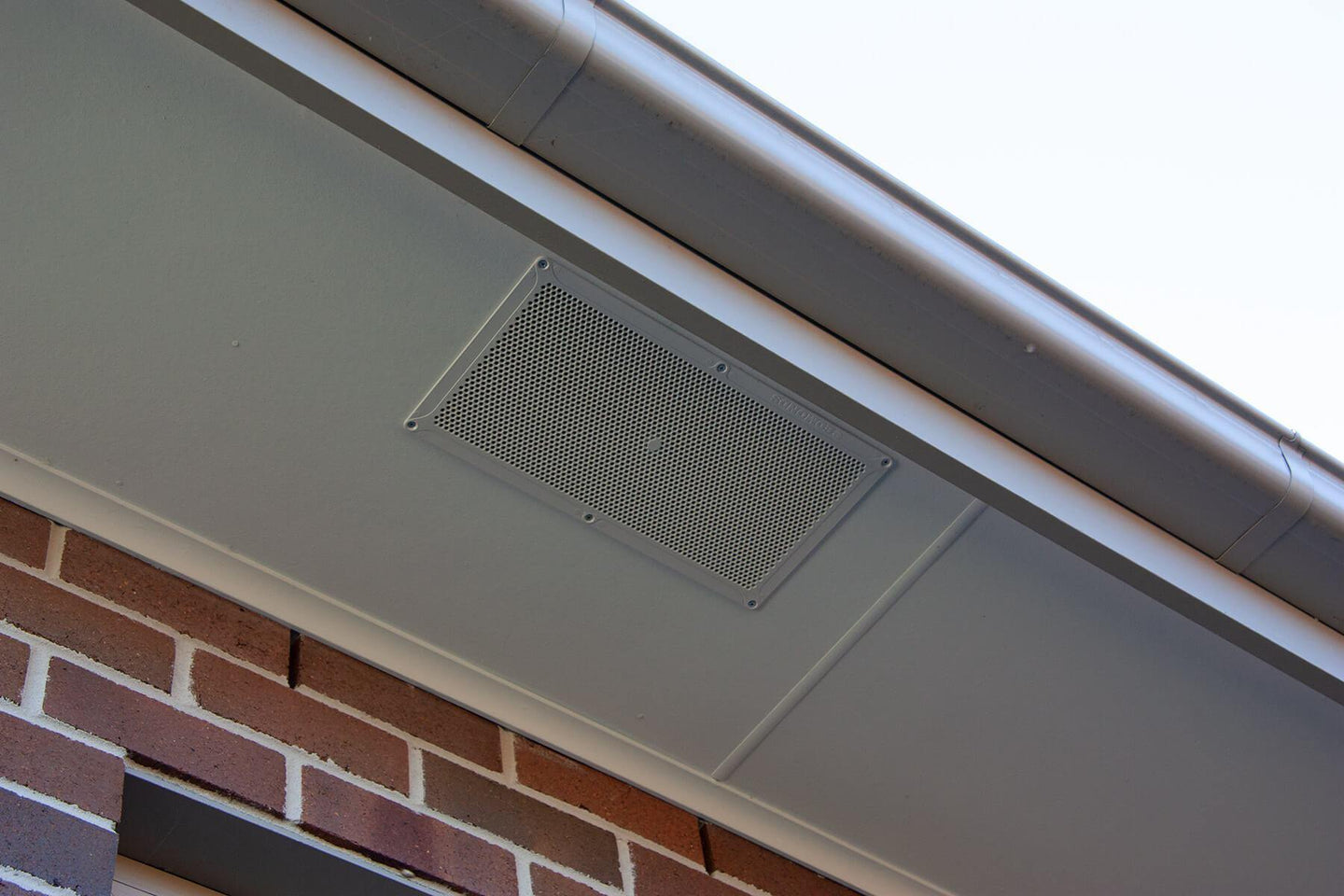
A few weeks after birds nest in a roof or eave, a strange complaint appears in the room directly below: dozens of tiny, pale dots crawling over the windowsill and ceiling, moving surprisingly fast, and small itchy bites appearing on skin. The chicks have flown and the nest has gone quiet, but the bird mites that fed on the young birds have lost their host and are now searching for another one. In a Sydney spring, this is one of the most common late-nesting-season problems a pest technician sees, and it has a very specific solution.
Why a spring nest becomes a biting problem
Bird mites are tiny external parasites that live on nesting birds and their chicks, feeding on blood. They complete their life cycle quickly, so a nest holding a growing brood can build a very large mite population in a short time. While the birds are present, the mites stay with the nest. The moment the chicks fledge and the nest empties, the mites disperse in search of a new blood meal.
That is when they arrive indoors. They crawl through gaps in eaves, around exhaust fans and downlights, through air conditioning units and along window frames, and they can drop from the ceiling onto the bed. They will bite people, but they cannot establish and breed on humans - so the problem is tied to the nest, and once the nest is gone and the mites are dealt with, the biting stops.
What a bird mite problem looks like
The timing and the tiny, mobile specks are the giveaway. A bird mite problem is often mistaken for bed bugs or fleas, but the pattern is different.
Minute, fast-moving speck-sized creatures - often described as walking pepper - concentrated on windowsills, ceilings, light fittings and around windows, and most noticeable at night.
Small itchy bites in groups, often around the neck, shoulders, waist and arms where clothing is tight, and worse after sleeping in the room below the nest.
An obvious beginning: a nest was active a few weeks earlier, with birds, droppings or nesting material in the eave, exhaust fan, AC casing or roof edge.
Unlike bed bugs, there are no insects in the mattress seams, headboard or bed frame; unlike fleas, the main source is overhead rather than the floor or pets.
Where the nest is usually hiding
Mites travel only a short distance, so the nest is almost always close to the worst of the activity. Common Sydney nesting spots are warm, sheltered and just above the room being bitten.
Bathroom and laundry exhaust fans, and kitchen range hoods - the warm casing and the vent gap are favourites.
Air conditioning units, especially window and wall-mounted units and the ducting near the outdoor compressor.
Eaves, soffits, roof valleys, downpipes and the gaps between downlights and the ceiling.
Balcony ledges, pot brackets, light fixtures, awning boxes and the tops of sliding door tracks.
How the problem is properly treated
The single most important point is that the nest is the problem. Treating the bedroom while the nest still holds material and mites gives only a few days of relief, because new mites keep moving down. The work has to start at the source.
Wait until the chicks have fledged and the nest is empty, then remove the nesting material and droppings with appropriate gloves and a dust mask, and bag the waste.
Vacuum the room thoroughly, especially the ceiling corners, window frames, sills and light fittings, then empty the vacuum outside into a sealed bag.
Hot-wash bedding, curtains and clothing in the affected room and dry them on heat; mites cannot survive a hot wash and dry.
Treat the nesting point and the route into the room - the eave gap, fan housing and window frame - following the current label, as the APVMA explains correct chemical use.
Once the area is clear, block the nesting site with mesh, bird-proofing over the vent or fan, and trim branches back so the birds cannot return.
When to call for help
If the nest is inside a roof cavity or high in an eave, if mites are appearing across more than one room, or if the problem returns after a week, a technician can trace the source, remove the empty nest safely, treat the harbourage and bird-proof the entry. A technician will also check whether anything else, such as a dead bird or a rodent in the ceiling, is feeding a secondary mite problem.
Active nests with eggs or chicks are protected and must not be disturbed or removed - wait until the birds have left, or seek advice from a wildlife authority. Never spray insecticide onto an active nest or onto birds, and only use registered products according to their label; the APVMA explains correct chemical use.
TINY BITING MITES IN THE BEDROOM?
Text your suburb and where the bites are.
Tell us where the bites are appearing, whether there was a nest in an eave, exhaust fan or air conditioner, and whether the chicks have left. We can trace the nest, treat the mites and bird-proof the spot so it does not happen next spring.