BALCONY & LAUNDRY
Earwigs in the laundry and on the balcony after Sydney spring showers
A warm, showery week after a clear weekend brings one common garden visitor indoors: the earwig. They climb from wet mulch and leaf litter onto balconies and laundry floors, and while the pincers look alarming, they are far less of a threat than their appearance suggests.
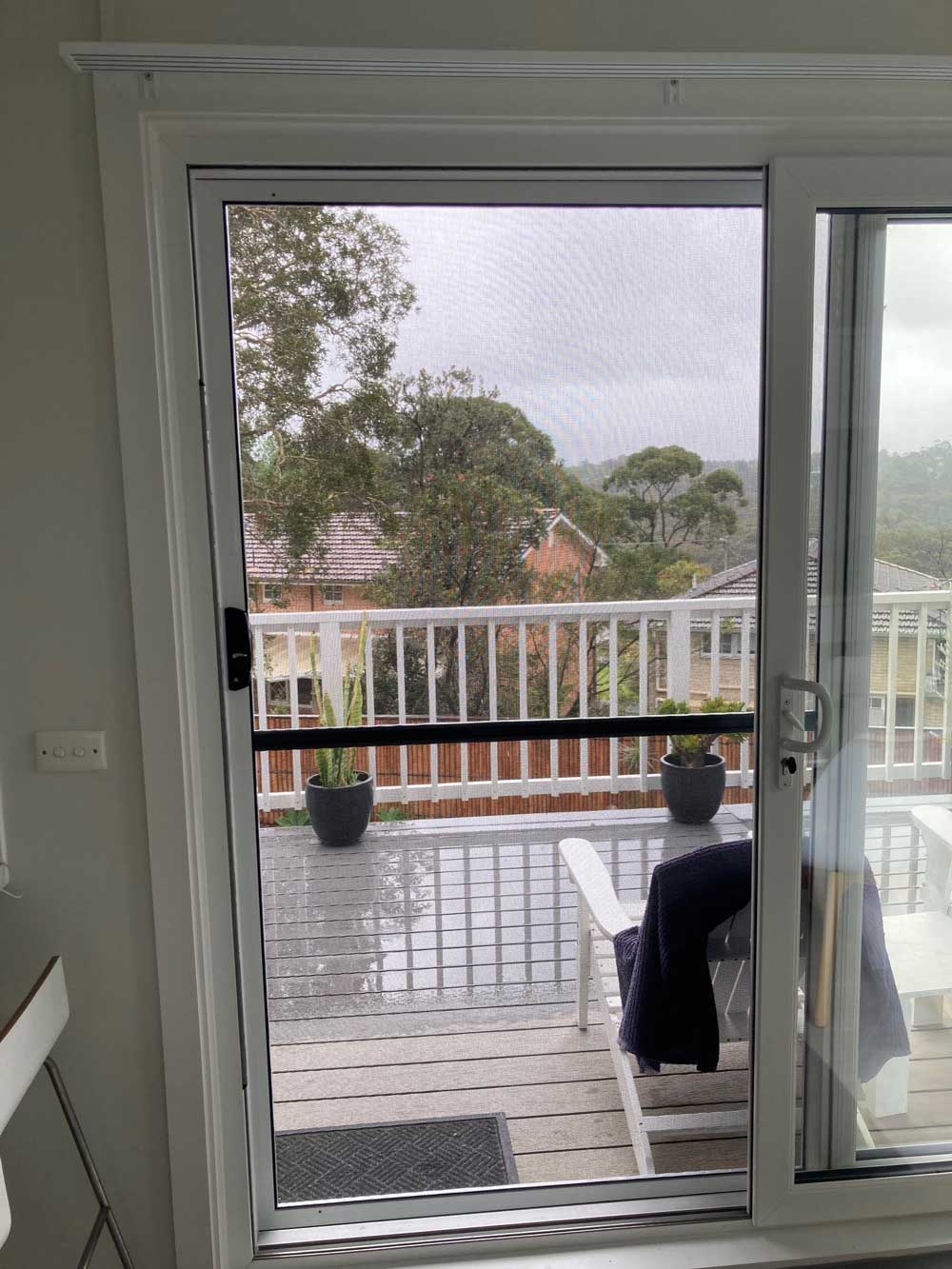
Sydney has just enjoyed a clear, sunny weekend with tops around twenty-two degrees, and the forecast turns to a run of warm, humid days with a shower or two from Sunday night. That is the exact change that moves earwigs. They live in damp garden matter and become active and restless when moisture and temperature rise together; when the ground is saturated and they wander, the laundry floor, the balcony pot and the rolled-up outdoor mat are the first dry places they reach. An earwig indoors is a moisture and harbourage problem from the garden, and the lasting fix is outside rather than in the spray bottle.
Why a showery, humid turn brings earwigs out
Earwigs are nocturnal insects that shelter by day in cool, moist, tight places: under mulch, leaf litter, pavers, pot saucers and the edges of garden beds. They are useful in the garden in small numbers, breaking down soft plant matter and eating small insects. The balance tips after warm rain. Damp conditions let them feed and shelter over a wider area, and populations climb quickly in spring.
When a shower or two becomes a showery week, their harbourage stays wet through the night and many climb upward to avoid saturated ground. They scale pot plants, climb walls and balcony screens, and squeeze through gaps under laundry doors, fly screens and weep holes. Morning is when they are most obvious, gathered under the washing machine, inside damp bathmats and around the frame of the balcony door.
What an earwig actually is
The common species Sydney residents meet is the European earwig, around one to one-and-a-half centimetres long, glossy dark brown with a reddish-brown head and a pair of curved pincers at the tail. The pincers are used to fold the wings and to grasp small prey and mates; a person is only very rarely pinched, and a pinch does not break the skin or inject venom.
They do not crawl into ears to lay eggs, despite the old name. That is a myth. They do not carry disease in the way cockroaches and flies can, and they do not breed into large indoor colonies. They can nibble soft seedlings, petals and ripening fruit outdoors, so gardeners are often the first to notice them. They are sometimes confused with small cockroaches; the pincers at the tail and the folded, short wings are the giveaway.
How they reach the laundry and balcony
Earwigs walk rather than fly, so their route indoors is a physical one that you can trace. The wetter the pot, bed or drainage point directly outside the door, the shorter the journey.
Pot plants and saucers kept by the balcony door, especially waterlogged pots and damp saucers.
Mulch, leaf litter and wet soil piled against the wall or under the laundry threshold.
Damp bathmats, outdoor shoes, rolled-up hoses and folded laundry left on the floor overnight.
Gaps under the laundry door, torn fly screen and weep holes that connect wet garden beds to indoor rooms.
Reduce the damp source outside first
Because earwigs are following moisture, the highest-value work is drying the band of garden and pots immediately against the house. This also helps with millipedes, slaters and the cockroaches that favour the same wet band, so a single tidy-up covers several of the week-after-rain visitors.
Pull mulch and leaf litter back a hand-width from the wall and the laundry door; keep it loose and not sodden.
Empty pot saucers after watering, lift pots onto feet and move the wettest pots away from the balcony door.
Fix blocked drains and dripping outdoor taps so water does not pool against the slab overnight.
Bring damp mats, shoes and laundry inside promptly and do not leave wet clothes stacked on the floor.
Seal the gap under the laundry door and repair torn screens, without blocking drainage or required ventilation.
A handful of earwigs on the balcony is cleared in seconds with a broom and dustpan back into the garden, and a dry threshold usually settles the matter within a few nights. Rolled or folded newspaper left on the damp ground overnight makes a simple trap: gather and empty it into the compost in the morning.
If you use a registered product, choose one labelled for the situation and follow the current label exactly; the APVMA explains correct chemical use. Broad spraying wet garden beds is short-lived and can affect the beneficial insects that keep earwigs in balance, so drying and clearing the source should lead.
When to ask for help
Keep a note for a few nights of where and how many you find. When the outside is drier and the door gap is sealed, the occasional straggler should stop. Persistent numbers point to a larger source that is being re-wetted each night.
Earwigs keep appearing in the laundry or bathroom for more than a week after the garden has been dried and cleared.
You find them in several rooms or up on beds and kitchen benches rather than just the ground-floor threshold.
There is a damp or drainage problem you cannot fix, such as a blocked drain, a weeping slab or a wet sub-floor.
You are also seeing cockroaches, millipedes or slaters indoors, which suggests the same damp band is feeding a broader harbourage.
You are renting and the water ingress or door gap is a maintenance issue; photograph it and raise it with the property manager.
A technician can trace the wet route, treat the threshold and harbourage at the label rate, and flag the drainage or storage fix that keeps the problem from returning with the next shower.
FINDING EARWIGS IN THE LAUNDRY?
Text your suburb and where you are finding them.
Tell us whether they are on the balcony, by the laundry door or under the washing machine, and whether the pots or garden beds outside are wet.