HOME PEST PREVENTION
Booklice in Sydney after the wet week: the tiny insects that feed on mould
Booklice are tiny, pale insects that eat mould, not people. After a wet Sydney week and now warmer days, they turn up on bookshelves, in cardboard boxes and along damp window frames - a signal that moisture and mould are sitting somewhere indoors. The fix is about drying out the source, not spraying the shelf.
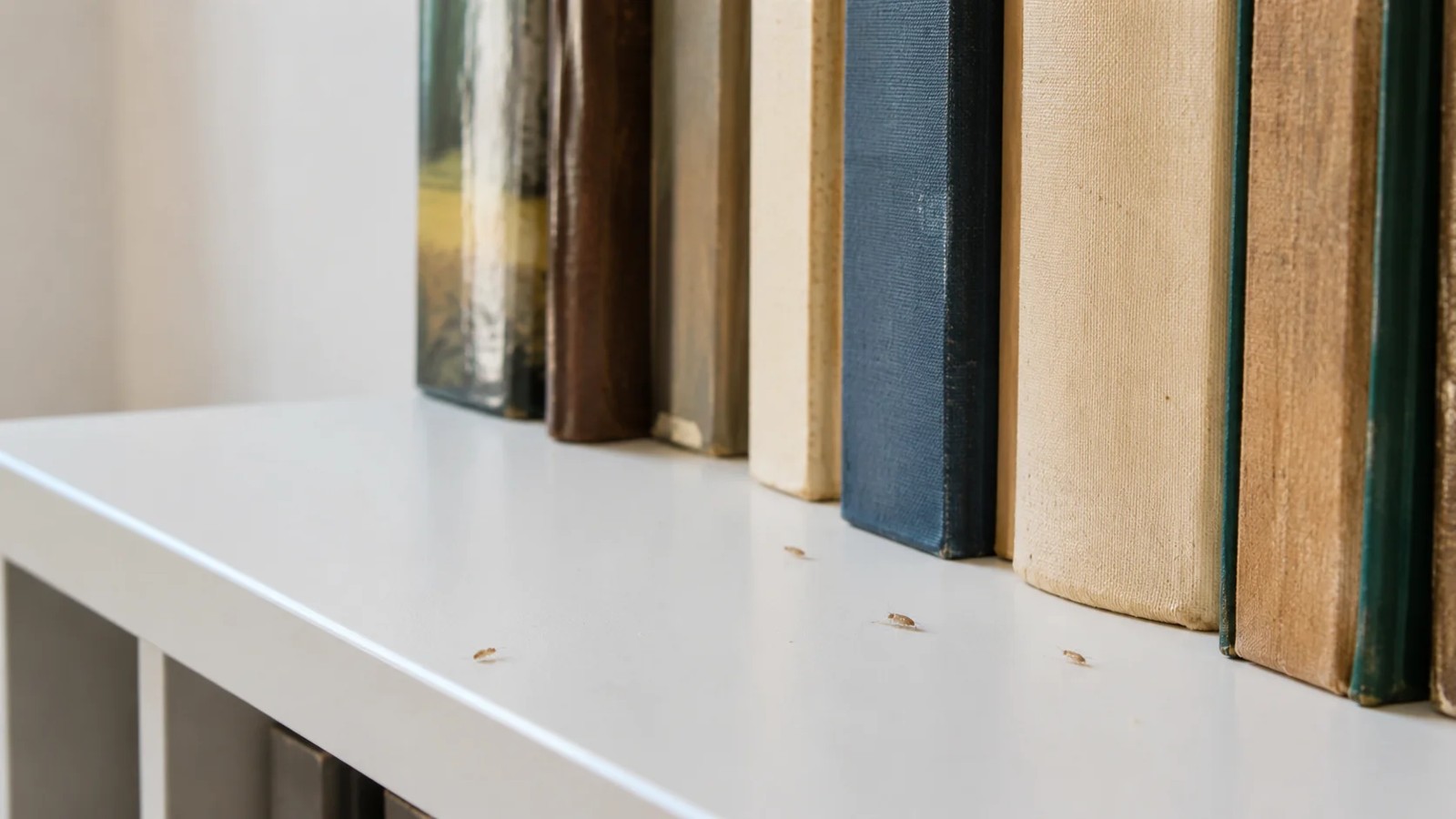
If you have noticed very small, pale insects - often described as looking like moving specks of dust - on a bookshelf, inside a cardboard box or along a window sill, the chances are they are booklice. They do not bite, they do not spread disease and they are not a sign of poor housekeeping. What they do tell you is that mould is growing somewhere nearby, because mould is what they eat. After the wet week just ended in Sydney, rooms that stayed damp are drying slowly, and the warmer days ahead - 25 degrees on Tuesday in the Sydney area - speed up both mould growth and booklice activity. That is why they become visible now.
What booklice are
Booklice are not lice and they have nothing to do with personal hygiene. They are small insects that feed on mould, mildew and the microscopic fungi that grow on damp paper, cardboard, wallpaper and timber. Adults are usually only one to two millimetres long, pale cream or grey, and they move quickly across surfaces. They breed fastest where it is humid, which is why they appear after periods of rain, in rooms with poor airflow, or in cupboards and boxes that stay closed for months. In Sydney, the classic settings are a wardrobe wall that runs against an outside wall, a box of stored books, an older kitchen or bathroom cabinet, or the corner of a room where damp has left a watermark.
Where they hide
Because booklice follow mould, you usually find them in the dampest, quietest places in the home - not out on the open floor. Check the spots that held moisture during the wet week: bookshelves and book boxes, especially spines and the gaps between pages, cardboard boxes stored in wardrobes, garages or under beds, wallpaper and skirting boards showing watermarks or peeling, window frames and sills that ran with condensation, and wardrobes against external walls. Kitchens and bathrooms matter too, particularly under sinks, around the base of the dishwasher, and behind washing machines where a slow leak leaves timber permanently damp.
Bookshelves, book boxes and the spines of books that sit against a damp wall.
Cardboard boxes in storage - wardrobes, garages, under beds.
Wallpaper, skirting boards and window frames with moisture marks or peeling edges.
Wardrobes built against external walls, and the corners of rooms that stay cool and shut.
Under sinks and around the base of appliances where pipes sweat or leak slowly.
The 20-minute check
Look at bookshelves, book boxes, wardrobes and storage cardboard for tiny pale insects, dust-like clusters or shed skins.
Feel inside wardrobes and cupboards for dampness; check for watermarks on walls, skirting and window frames.
Look under sinks, around the dishwasher base and behind the washing machine for leaks or standing moisture.
Note the room: is it a bathroom, laundry, a room against an external wall, or a closed-in storage space with poor airflow?
The aim of the check is to locate the damp source, not to count the insects. Booklice move with the mould: dry the mould source and they disappear on their own.
Dry out the source
Booklice control is really moisture control. Ventilate the room each day, especially after showers and cooking, and open wardrobes and cupboards that stay closed. Use a dehumidifier in rooms that feel persistently damp, and fix leaks, drips and condensation points - a slow drip under a sink will keep a cupboard breeding booklice no matter how often you clean it. Remove the mould food source: throw out damp cardboard boxes, wipe down shelves and window frames with a dry cloth, and air books and stored paper on a dry day. Vacuuming the affected surfaces removes both insects and the mould they feed on, and keeping stored items off the floor and away from external walls gives air room to move.
Booklice rarely need a pesticide. If you do use a commercially labelled product, follow the current label exactly and use it only for its intended setting - the APVMA explains correct chemical use. A spray without drying out the source will only slow them down, not stop them.
When to get help
Call a licensed pest technician if booklice keep returning after you have dried the room out, if the mould problem is widespread or behind walls and you cannot reach the source, or if you manage a rental or a commercial space where moisture issues need a structured fix. A technician who knows Sydney properties will trace the damp source, confirm whether anything else is active behind it - such as a concealed leak - and give you a plan that stops the cycle rather than chasing the insects room by room.
FOUND TINY PALE INSECTS?
Text your suburb, the room and what you're seeing.
Tell us whether the insects are on books, in boxes, on window frames or under sinks, and whether you can see any damp or mould nearby - we can confirm what is worth doing.