WORKPLACE PEST PREVENTION
Spring pest prevention for Sydney offices: keeping cockroaches, ants and booklice out of the workplace
Warm spring days and a wet week that has just ended are prime conditions for workplace pests. Shared kitchens, indoor plants and stored stock give cockroaches, ants and booklice everything they need - so a short seasonal check keeps a small problem from becoming an office-wide one.
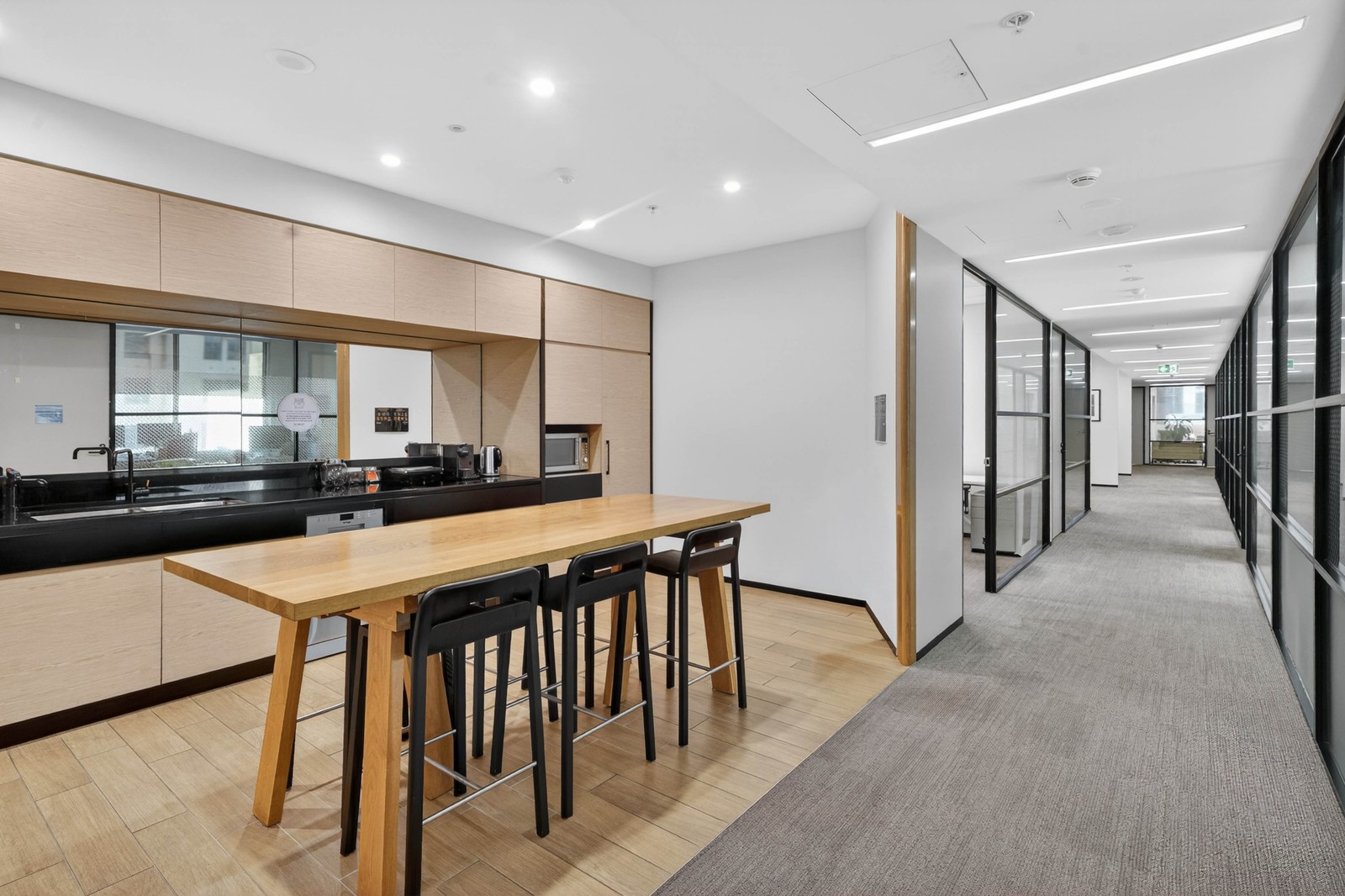
Office pests follow a reliable seasonal pattern in Sydney, and spring is when they start showing up. The wet week just ended kept plant soil, cardboard stock and under-sink areas damp; now the warmer days - 25 degrees on Tuesday in the Sydney area - speed up activity. Cockroaches move in through gaps around kitchen and service areas, ants follow food residue along walls and skirting, and booklice appear where damp paper and mould have had a week to build up. None of this means the office is dirty; it means spring maintenance needs to catch up with the season.
Why spring changes office pests
Offices share a few features that make them attractive to pests at this time of year. Food is prepared and eaten in the same building all day, plant soil stays damp for longer after a wet week, cardboard stock and archived files provide quiet harbourage, and staff move through doors and loading areas that often stay open in warmer weather. The result is that spring brings three typical complaints: cockroaches seen in kitchens or bin rooms, ants trailing along walls or up to desks, and small insects such as booklice or psocids appearing near stored paper. Catching them early matters in a workplace, because a sighting in a shared area spreads fast.
The shared kitchen: where most problems start
In most Sydney offices, the kitchen is the main food source for pests: crumbs under toasters, food left in shared fridges, bins emptied too rarely and sink areas that stay damp. Cockroaches, in particular, only need a small gap and a steady food supply to establish themselves, and a wet week leaves the under-sink cupboard exactly the kind of damp, dark space they prefer.
Wipe benches and the sink area daily, including around the tap and behind the toaster and kettle.
Empty bins daily in summer, and keep bin rooms or cupboard bins sealed and cleaned regularly.
Check the under-sink cupboard and the dishwasher base for leaks, standing water or damp cardboard.
Seal gaps around pipes, skirting and the kickboards under kitchen units; seal the gap between the bench and the wall.
Keep shared pantry items in sealed containers rather than open packets.
Plants, stock and desks
The kitchen is not the only food source. Indoor plants add moisture to the air and soil, and overwatered pots after a wet week can harbour fungus gnats, ants or springtails. Cardboard stock, archived files and boxes under desks give booklice and cockroaches somewhere quiet to settle, and food kept at desks - muesli bars, coffee pods, lunch leftovers - draws ants and pantry moths if it is left open. A spring routine of checking these areas takes minutes and catches most office pest problems before they spread.
Check plant saucers for standing water and empty them; let soil dry between waterings.
Look behind desks, under storage and in archive areas for droppings, shed wings, live insects or small pale insects on paper.
Keep food at desks sealed; clear crumbs and take rubbish out daily.
Check entry points: door seals, gaps under fire doors, cable penetrations and loading areas.
A wet week followed by warm days also means mould and booklice risk in archive rooms and store cupboards - air them out, and keep boxes off the floor and away from external walls.
A spring pest routine
A workplace does not need a complicated program; it needs a consistent one. Keep a simple record of any sightings - which area, what pest, what time of day - because a pattern is far more useful to a technician than a single glimpse. Talk to whoever manages cleaning about bin frequency and under-sink checks, arrange a quick inspection of kitchen gaps and door seals, and if the office sits above shops or restaurants, remember that activity can come up from below through risers and pipework. Sealing those shared routes is often the difference between a one-off sighting and a recurring one.
If you choose a commercially labelled product for an office, use it only for its intended setting and follow the current label exactly - the APVMA explains correct chemical use. In a shared workplace, sealing entry points and removing food and moisture is the durable fix; surface spraying on its own rarely stops a colony.
When to get help
Call a licensed pest technician if you see cockroaches regularly in the kitchen or bin room, ants trailing along walls day after day, or if you are managing a building where the office sits above food businesses or shares risers with other tenants. A technician who knows Sydney commercial buildings will identify the pest, find the entry points - including shared risers and pipe runs - and set up a treatment and monitoring plan that fits the workplace, so staff see a resolution rather than a repeating problem.
PESTS IN YOUR WORKPLACE?
Text your suburb, the building type and what you're seeing.
Tell us whether it's cockroaches in the kitchen, ants along walls, or small insects near stored paper, and where in the building - we can confirm what is worth doing.