HOME PEST PREVENTION
House flies and blowflies in Sydney after the wet week: why the warm-up brings them indoors
After a wet week, the first warm days of spring speed up fly breeding right across Sydney. A few flies near the kitchen door are not a hygiene emergency - but they are a useful signal to find the breeding source and cut it.
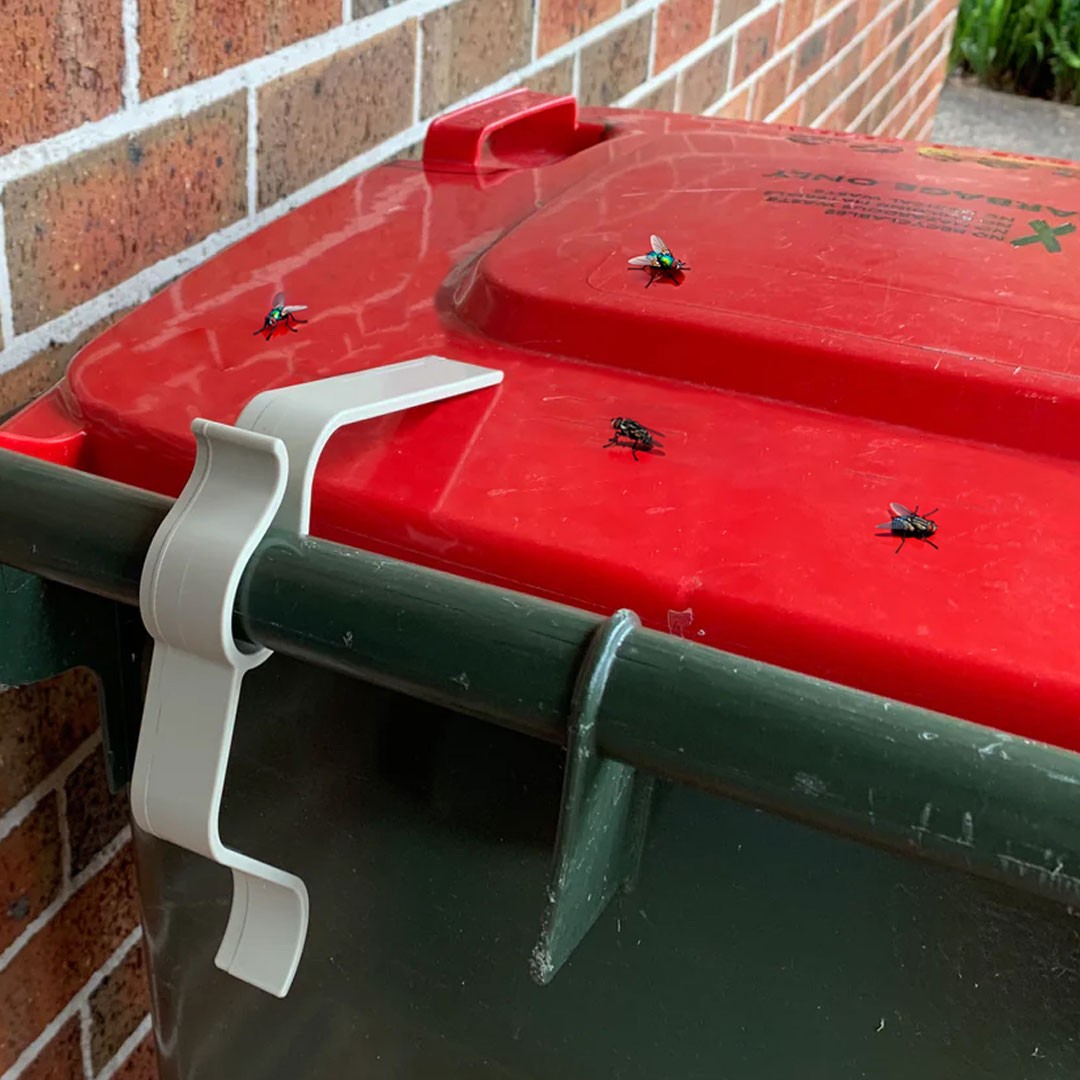
House flies and blowflies are common in every Sydney spring, but the pattern of the past week makes them worth a closer look. Days of showers kept garden beds, bins, compost and pet areas damp, and now temperatures are climbing - 24 degrees on Monday and 25 on Tuesday in the Sydney area. That combination, damp organic matter followed by warmth, is exactly what fly eggs and larvae need to develop quickly. You do not need to panic about a few flies; you do need to find where they are breeding before the numbers build over the coming week.
Why the warm-up speeds flies up
A fly does not appear in your kitchen out of nowhere; it has bred somewhere close by. In cooler weather, fly larvae develop slowly and many eggs never make it. Warm weather changes the timing: the same eggs that took weeks can complete their cycle in a matter of days, which is why fly numbers so often jump after rain followed by warm, still days. The wet week did the first half of the work by keeping waste and organic matter moist; the warm-up does the second half by accelerating development. Around Sydney homes, the most common players are the house fly, a grey fly with four dark stripes on its thorax, and blowflies, which are often metallic blue or green and are strongly attracted to pet waste and food scraps.
Where flies breed around a Sydney home
Flies breed in damp, organic material - rarely inside the living areas themselves. When you find flies indoors, the breeding source is usually outside, and finding it is more useful than swatting the adults you can see. Check the spots that stayed damp during the wet week first: the area around rubbish bins, compost bins and green waste, pet droppings and the ground where pets toilet, food left in outdoor bowls, spilled feed under bird feeders, and leaf litter or grass clippings piled against the wall line. Indoors, the main breeding points are less common but worth ruling out: a slow or blocked drain under the sink or in the laundry, food scraps left in an open bin, and a pet bowl or tray kept indoors.
Rubbish and recycling bins, especially the gap between the bin and the bin lid or the wet residue at the bottom.
Compost, green waste and grass clippings kept close to the house.
Pet droppings, pet food bowls and bird feeders.
Slow or blocked drains under sinks, in the laundry and at the side of the house.
Leaf litter and damp mulch sitting against the wall line.
Flies are a hygiene signal, not a hygiene verdict. A fly inside your home usually means there is a damp breeding source outside that stayed moist through the wet week. Finding and removing that source is the fix - surface spraying the walls treats the symptom, not the cycle.
The 20-minute fly check
Walk the outside wall line and look at every bin, compost area, drain grate and downpipe outlet for damp organic residue.
Lift bin lids and check the wet layer at the bottom; hose bins out and keep lids closed and tight.
Clear pet droppings daily and pick up food left in outdoor bowls before dark.
Check door and window screens for gaps, and make sure the kitchen and laundry doors close fully.
The aim is to find the one or two spots that are actually breeding flies, not to treat the whole property. Most homes have a single main source - often the bins or the pet area - and fixing that source drops the indoor fly count quickly.
Cut the breeding cycle
Flies breed fast in spring warmth, so the reliable approach is to remove the material they need, not to chase the adults. Keep bins sealed and away from doors, take food waste out regularly rather than letting it sit, keep compost and green waste away from the wall line, and clear leaf litter and damp mulch once the ground dries. Indoors, fix slow drains, wipe down surfaces where food residue collects and keep pet food covered. Screens and door seals are the second layer: they keep the flies that are already breeding outside from moving into the kitchen.
If you choose a commercially labelled product, use it only for its intended setting and follow the current label exactly. The APVMA explains correct chemical use. A fly spray will kill the adults you see today; it will not stop the next generation unless the breeding source is removed.
When to get help
Call a licensed pest technician if flies keep building indoors despite a clean-out, if you cannot find the breeding source, or if the problem is in a shared or commercial setting such as a strata bin room, a cafe or a food business where a recurring fly issue needs a structured approach. A technician who knows Sydney properties will trace the source, treat the breeding points and give you a simple plan to keep the cycle from restarting - which is a better outcome than spraying your way through the season.
FLIES AFTER THE WET WEEK?
Text your suburb, property type and what you're seeing.
Tell us whether it's house flies or blowflies, whether the numbers are inside, around the bins or near pets, and we can confirm what is worth checking.