
COMMERCIAL & HEALTHCARE
Pest control in Sydney medical and dental clinics: a discreet, professional approach
A clinic holds sterilised instruments, medicines and patient records in a setting where people expect a clean, calm environment. That makes early detection and careful scheduling more important than a reactive spray. A practical program focuses on the places pests enter, the staff kitchen and waste areas, and treatment timed outside consulting hours so patients and equipment are never disturbed.
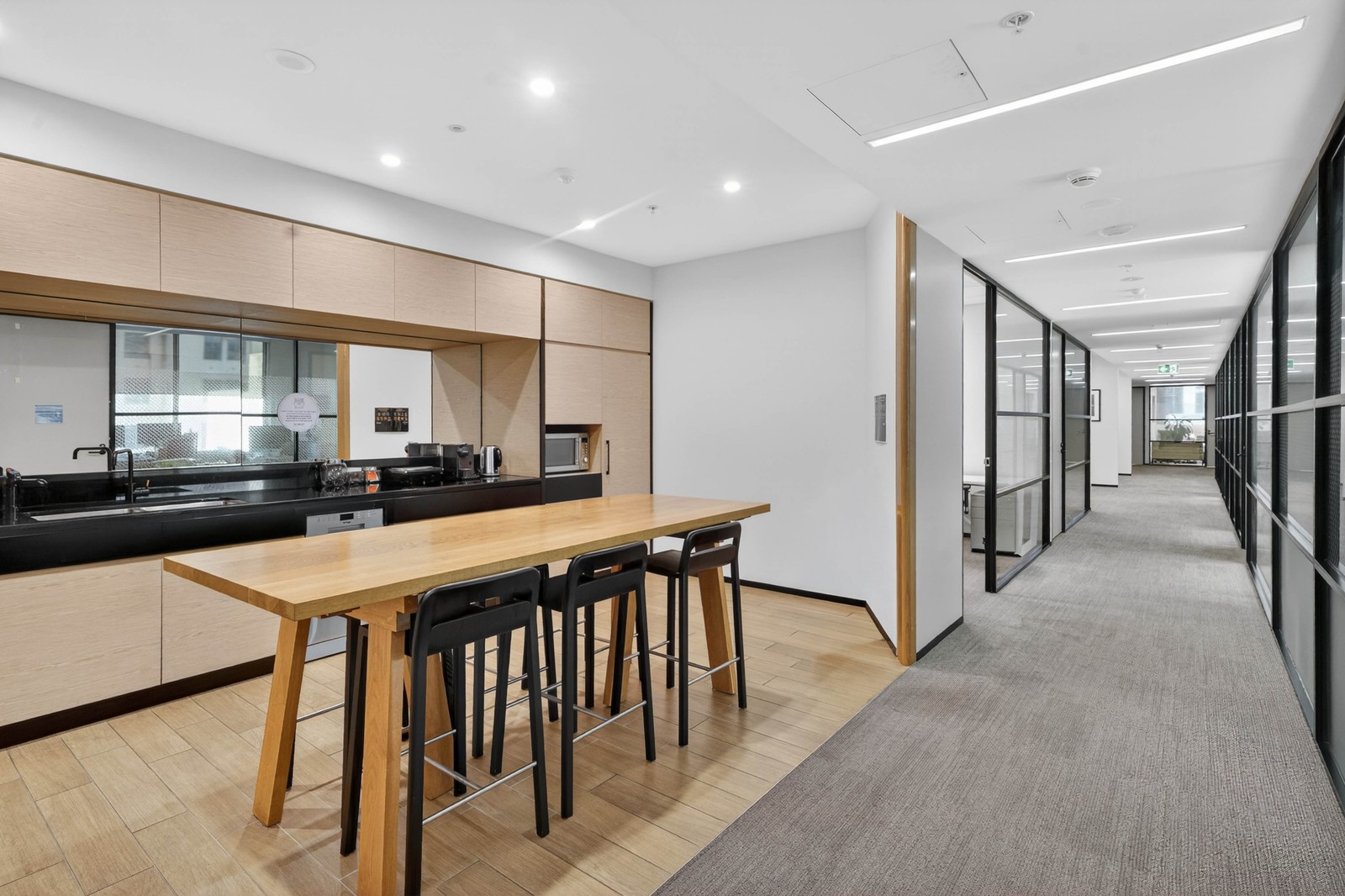
Medical and dental clinics are not unusual in the pests they can attract, mostly cockroaches, ants and rodents, but they are unusual in how carefully any treatment has to be handled. Patients come and go through the day, surfaces are prepared for procedures and the premises store sensitive equipment. The sensible approach is a quiet, planned one that prevents pests establishing and deals with any activity before it is noticed in the consulting room.
1. Why clinics need a careful approach
A clinic is judged on cleanliness and trust, so even a single sighting in the waiting room can unsettle patients. More practically, treatment cannot be carried out while instruments are exposed, medicines are open or people are seated nearby, and a strong odour or noise during consulting hours is simply not acceptable.
This rules out the kind of routine, broad spraying used in a warehouse and points instead to targeted baiting, sealing and monitoring scheduled before opening or after closing. The aim is to resolve the problem without any effect on the day's appointments.
Prevention also protects the clinic's reputation in a way that reactive treatment cannot. A quiet program that keeps pests out is less disruptive, and less costly, than dealing with an outbreak once a patient has noticed it, and it gives the practice manager one fewer thing to watch during a busy week.
2. Where pests find a way in
Activity in a clinic usually begins in a few predictable areas rather than the consulting rooms themselves.
- The staff kitchen and tea point, where crumbs, dishes and stored food can support German cockroaches and ants.
- Sinks, drains and the plumbing around dental units and handwashing areas, which stay damp and can suit small drain-feeding insects.
- Delivery points and cardboard boxes, which can carry insects in and provide harbourage if left stacked.
- Waste storage, including general and clinical waste kept awaiting collection, and any gaps around external bins.
- Wall voids, pipe penetrations and storage or archive rooms, where rodents and paper-feeding insects can remain unseen.
Clinical waste is handled under the clinic's own strict procedures, but ordinary kitchen waste and recycling also need to be sealed and removed, since these are the items most likely to forage pests indoors.
3. Early signs to watch for
Because most of these pests move at night, the cleaning staff and the person opening the clinic are often the first to see a warning. Look for droppings or smear marks in kitchen drawers, chewed packaging, small insects fleeing when a cupboard is opened, and an unexplained musty smell. Tiny flies around a drain, or ants tracking from a wall gap toward the tea point, are also early rather than late signs.
Check kitchen cupboards, under the sink and behind appliances during cleaning.
Inspect deliveries and unpack boxes rather than storing them.
Keep a short note of any sighting, its location and the time.
4. Discreet treatment around patients
Any active treatment should be arranged with the practice manager around the appointment book, usually before opening, after closing or at a weekend. Targeted gels and baits placed in cracks, behind fixtures and inside kitchen units work without an airborne residue or smell, which suits a clinical setting far better than surface spraying.
No product should ever be applied near exposed instruments, sterilised surfaces or medicines, and any registered product must be used strictly to its current label and in its intended setting. The APVMA explains correct chemical use. Careful placement and timing protect both patients and the equipment the clinic relies on.
5. A planned professional program
Clinics benefit from a written, ongoing program rather than waiting for a complaint. A sensible program combines inspection and monitoring with the practical prevention work the clinic can control, and it keeps a record of visits and findings that fits with the practice's own documentation.
Seal gaps around pipes and doors, and keep kitchen and waste areas clean and dry.
Use monitoring points in risk areas and review them on each visit.
Schedule recurring visits around quiet periods and retain the service record for the clinic.
Coordination with a single contact at the clinic keeps visits quiet and ensures access is ready, so the program runs in the background without the front desk having to rearrange patients.
6. When to arrange a service
Professional help is worth arranging promptly where a clinic cannot afford to wait.
- A patient or staff member sees a pest in the waiting room, consulting room or treatment area.
- Cockroaches, ants or rodents keep appearing despite cleaning, suggesting a hidden harbourage.
- The clinic is moving into new premises, renovating or fitting out a new surgery and wants prevention built in.
- A regular, documented service is required for the practice's own hygiene and audit arrangements.
- A problem recurs after a one-off treatment, which usually means the entry point or source was not addressed.
A professional technician can identify the pest, locate the source and treat it discreetly outside consulting hours, then set up a monitoring and prevention program that keeps the clinic clean without disturbing its work.
MANAGING A CLINIC OR HEALTHCARE PRACTICE?
Text your suburb and the type of premises.
Note where you are seeing activity and your consulting hours, so treatment can be scheduled quietly around appointments.