COMMERCIAL & HOSPITALITY
Pest control in Sydney pubs and bars: the closing-shift routine
A busy Sydney pub creates the conditions pests like: sugary spills, damp floor drains, a cool cellar, a leafy beer garden and bins that sit overnight. The most reliable defence is not a spray after a problem is seen but a steady closing-shift cleanup, a dry cellar and a documented monitoring program that keeps the venue ahead of pests.
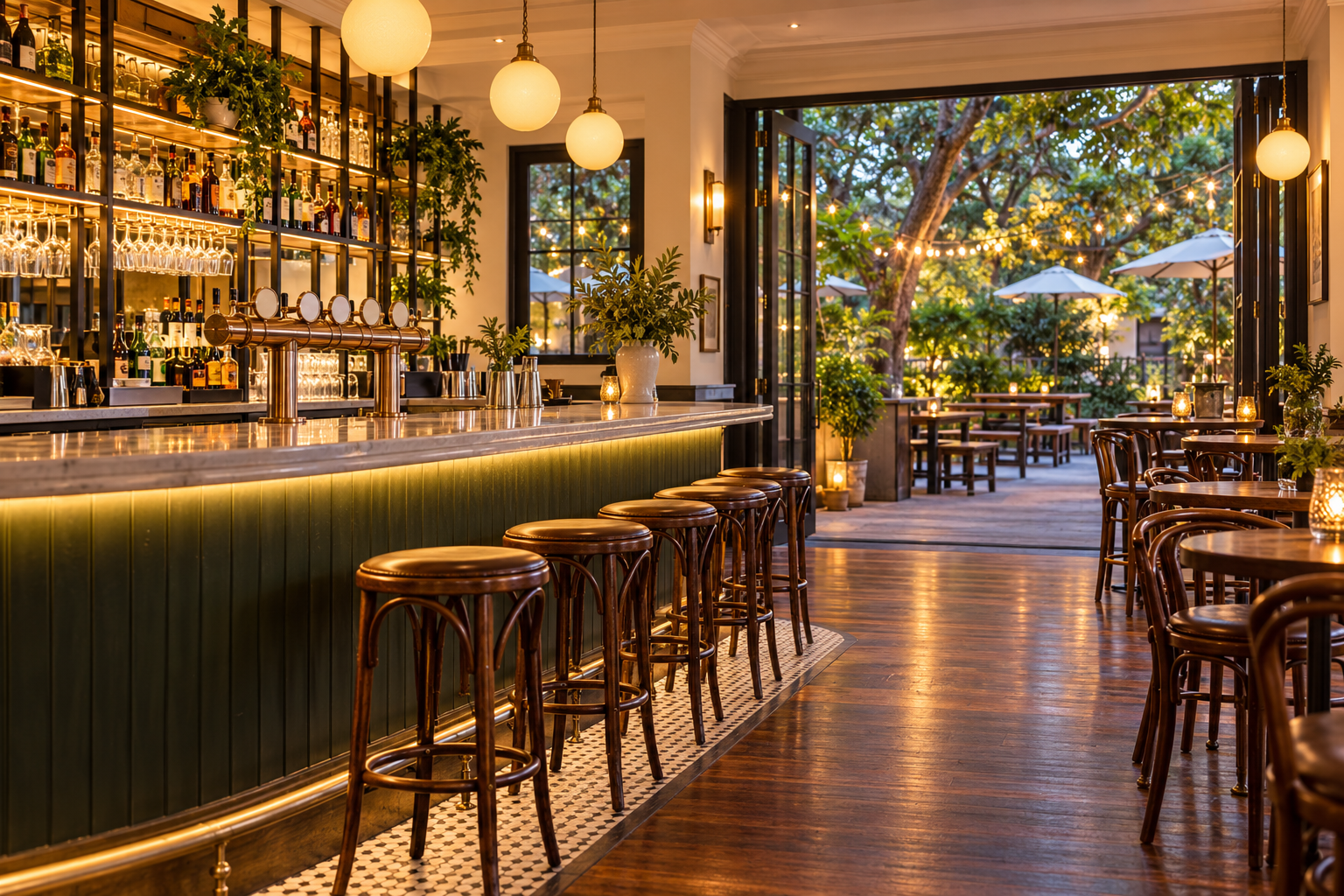
Pubs and bars run late, serve drinks and often food, and combine indoor trade with an outdoor beer garden. Each of those areas creates a different pest risk, from small flies in the drains to rodents around the bins. The good news is that a well-run venue already has the habits that prevent pests; the task is to make the closing cleanup, the cellar and the outdoor areas consistent every night and to keep a record of what is found.
Why a pub is different
A cafe or restaurant is usually built around a kitchen, but a pub spreads risk across the bar, the cellar, the floor drains and the garden. Beer, cider, mixers and food spills leave sugary residues that ferment, and trade continues into the evening when doors are opened and closed. The cellar and under-bar areas stay cool and sometimes damp, which suits cockroaches and small flies.
Because customers are close to the floor and the bar, even a small problem is quickly noticed. For hotels and groups, a documented pest program is also part of what is expected at audit, so the service log and the closing-shift record matter as much as the treatment itself.
Late spring also changes the rhythm. The evenings are longer, trade moves into the beer garden and the doors stay open, and the warmer, sometimes showery weather speeds up fermentation in spills and keeps the drains and mulch damp. A routine that held through winter often needs a little more attention now, before the busier summer trade begins.
Where pests gather
A walk from the cellar to the beer garden finds the points of risk.
- Floor drains and drip trays behind the bar, where sugary residue builds up.
- The cellar, keg area and beer lines, and spills under refrigeration.
- The bin room and waste holding area, especially where bags are left overnight.
- The beer garden: fallen leaves, standing water, under-seat debris and outdoor lighting.
- Store rooms and delivered stock, where cardboard and food packaging provide shelter.
The closing-shift routine
Pests feed on what is left after service, so the last hour of trade does most of the prevention work. A short, written closing routine keeps it consistent across staff.
Mop and rinse bar spills and flush the floor drains and drip trays.
Seal and remove all food waste and empty bottles from the bar.
Put bags in the closed bin room and keep the bin area hosed and drained.
Leave no glasses, mixers or snacks out, and check under refrigeration.
Cellar and beer garden
The two areas most often overlooked are the cellar and the garden, and both are easy to keep on top of.
Keep the cellar dry and ventilated and clean spills from kegs and trays.
Store stock off the floor and rotate cardboard rather than stacking it.
Clear leaves and standing water from the garden and under seating.
Keep outdoor lighting directed away from doors and close gates and screens.
Monitoring and records
Pubs are best managed with monitoring rather than repeated spraying. Non-toxic monitors behind the bar and in the cellar and store room give early warning, and rodent devices are placed outside around the bins and perimeter so a treatment is targeted and timed.
Loose bait must never be placed where it can contact drinks, food, glassware or packaging; every product used must be registered and applied to the current label, and the APVMA explains correct chemical use. A site plan, numbered devices and a service log showing dates, findings and actions form the documented program an auditor can follow.
When to arrange a service
A scheduled program is cheaper and less disruptive than reacting to a sighting during service.
- Small flies keep appearing around the drains, drip trays or bar despite nightly cleaning.
- Cockroaches are seen in the cellar, under-bar or store room after closing.
- Droppings or gnawing show around the bins, cellar or deliveries.
- The venue group or auditor requires a documented program with a site map and service records.
- The beer garden has standing water or lighting that keeps drawing insects toward the doors.
A technician can map the risk points, set up numbered monitoring, train the closing team and keep the service log that protects the venue and its licence.
RUNNING A SYDNEY PUB OR BAR?
Text your suburb, the venue and the outdoor area.
Tell us whether you have a beer garden, cellar and food service, and we can plan a documented program around your closing shift.