KITCHEN & GARDEN
Home compost and FOGO bin pests in a Sydney spring: keep the cycle clean
Food scraps are meant to break down, but a warm, wet spring week can turn the compost bin and the FOGO caddy into a magnet for fruit flies, vinegar flies, cockroaches and rats. A few consistent habits keep the cycle working without feeding the neighbourhood pests.
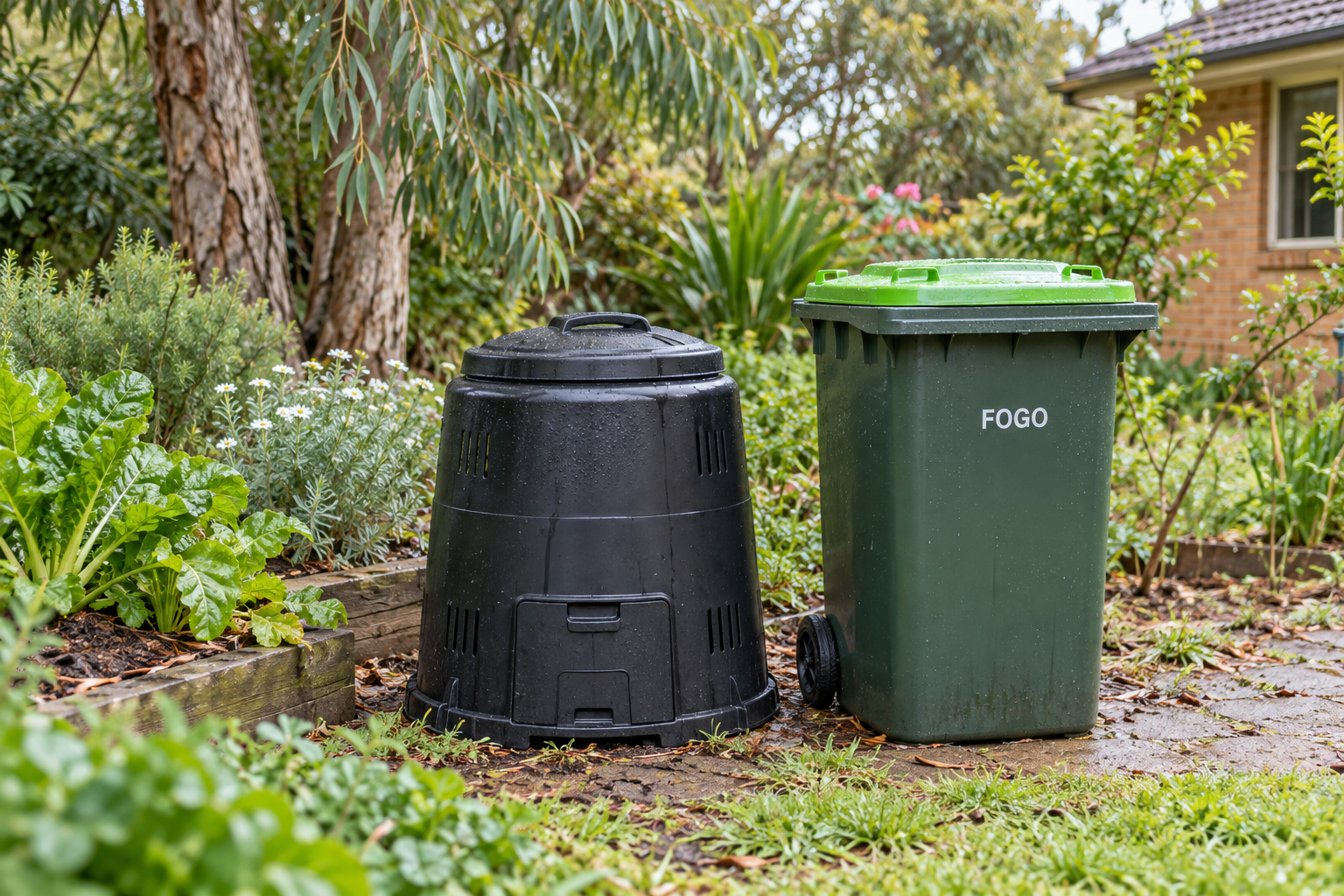
Sydney households are encouraged to compost and to use the green FOGO bin for food scraps, and most of the year the system works quietly. Spring is when it becomes visible. After a clear warm weekend, the forecast turns humid and showery, and food waste ferments faster, smells stronger and breeds quicker. The insects are usually a balance problem, while rats are usually a lid, placement or timing problem. Getting each part right keeps the compost healthy and stops the bin from becoming a pest feeding station next to the house.
Why warm, wet spring tips the bin
Composting is controlled decay, and the same conditions that make the garden grow make scraps break down fast. Warm temperatures and a shower or two keep the bin moist and biologically active. That is healthy when the pile has air, structure and the right mix. When it is too wet, too rich in food scraps, or left exposed at the surface, the smell rises and pests arrive.
The kitchen caddy is the first link in the chain. Fruit scraps that sit in the caddy over a warm humid weekend begin to ferment, and the small flies that follow can be inside the kitchen before the bin is ever taken outside. Treating the outdoor bin alone misses the problem that starts on the bench.
Which pests a mismanaged bin attracts
A healthy compost contains many insects and mites, and seeing a few is normal. The visitors that cause trouble are the ones that move between the bin and the house.
Vinegar flies and fruit flies are tiny, slow-flying insects that gather on ripe fruit, the caddy and the lid. They breed in fermenting fruit, vegetable scraps and the liquid that pools at the bottom. Cockroaches favour a warm, damp bin with food at the surface; the species that move from the bin to the kitchen are the ones that matter. Rats and mice are drawn by accessible food scraps, especially meat, bread, oil and pet food, and by bins that are left open, broken or pushed up against fence lines. Ants and, after heavy rain, earwigs and slaters move in where the pile is too wet or too dry; they are a sign of an imbalance rather than a separate emergency.
What to notice before it becomes a problem
Clouds of tiny flies over the caddy when you lift the lid, or hovering around the fruit bowl and recycling bin.
A sour, rotten-egg or ammonia smell and a soggy, compacted pile that is not breaking down.
Cockroaches on the outside of the bin at dusk, or moving along the wall toward the kitchen door.
Droppings, chew marks or scratch sounds around the bin, the fence or the shed, which point to rats or mice.
A lid that does not close, a broken latch, or scraps spread around the bin by birds or foraging animals.
Run the bin so pests are not fed
A well-run compost is slightly moist like a squeezed sponge, full of air and covered so food is never exposed. The same habits protect a FOGO bin, which should follow your council schedule for what can go in and when it is collected.
Balance every load of wet fruit and vegetable scraps with dry, brown material: dry leaves, shredded paper, cardboard and torn newspaper.
Chop large scraps, bury fresh food under the centre of the pile, and never leave it sitting on the surface.
Turn the pile regularly, drain liquid from the caddy, and add browns if it is soggy; a covered caddy in the fridge or freezer over summer slows flies and smell.
Keep meat, bones, dairy, oil and cooked food out of a home compost and use the FOGO bin for them only where your council accepts them; bag them loosely and set the bin out the night before collection, not days early.
Keep the bin on level ground or a sealed base, away from the house, fence and shed, with a closing lid and no scraps left on the outside.
Do not spray insecticide into a working compost or a FOGO bin: it kills the organisms doing the composting, contaminates material that is meant to be processed, and does nothing about a rat that has moved into the shed. If a rat or cockroach problem has already established itself beyond the bin, treat the harbourage around it separately and, where a registered product is used, follow the current label; the APVMA explains correct chemical use.
When to ask for help
Once the bin is balanced, covered and correctly placed, the flies should settle within a week or two and the smell almost immediately. Persistent rats or cockroaches mean the animals have already moved into nearby shelter rather than just the bin.
Rats are still visiting two weeks after the bin is secured, or you find burrows, droppings or chew marks around the shed, fence or roof.
Cockroaches have moved from the bin into the kitchen or laundry, suggesting a separate indoor harbourage.
Fruit or vinegar flies continue indoors after the caddy has been cleaned, emptied daily and balanced.
You rent and the bin, drainage or a structural gap is shared or managed by the property or strata; photograph and report it.
You keep chooks, a pet or a large household that produces a lot of food waste, and the current bin set-up cannot keep up.
A technician can trace whether the bin is the true source or simply nearby, set a safe, targeted plan for rats and cockroaches around where children and pets cannot reach, and point out the storage and placement fix that stops the problem restarting with the next warm, wet spell.
COMPOST OR FOGO BIN DRAWING RATS?
Text your suburb and what you are seeing.
Tell us whether it is flies, cockroaches or rats, where the bin sits and how often it is collected. We can separate a bin balance problem from a genuine rodent problem around the shed.