PETS & GARDEN
Paralysis ticks in Sydney after spring showers: the damp garden check
A sunny weekend followed by a run of warm, humid showers keeps the grass and garden edges damp and the paralysis tick season moving. The most useful protection is boring but effective: know where they wait, check pets and people every time they come inside, and keep the garden edges from becoming a tick corridor.
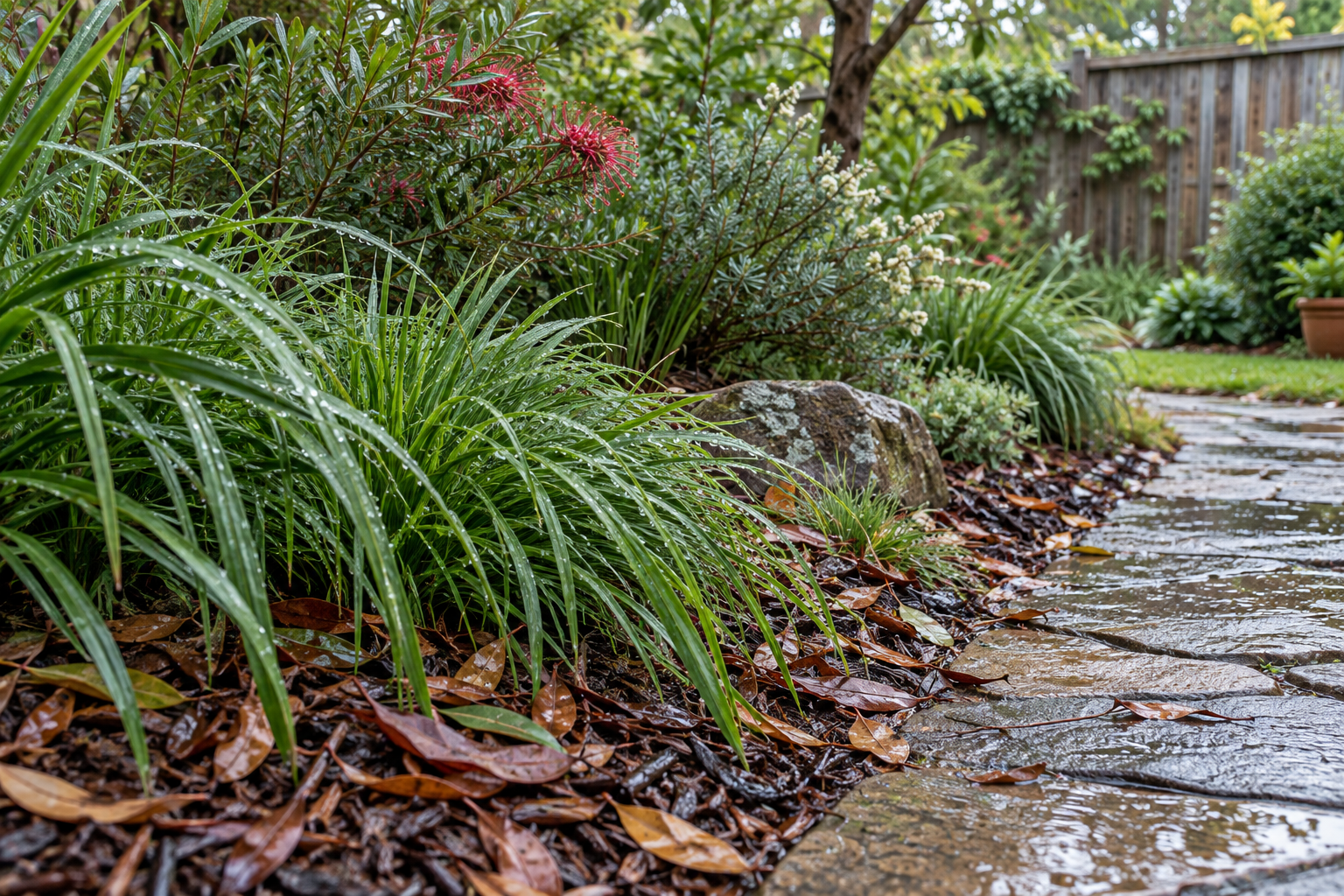
Sydney has enjoyed a clear, sunny weekend with tops around twenty-three degrees, and the forecast turns humid from Sunday night with a shower or two through the coming week. That is exactly when paralysis ticks are most often encountered. They do not chase people or pets; they wait on damp grass and foliage and climb aboard whatever brushes past. A pest technician can reduce the environmental pressure, but daily checking and the prevention your vet recommends remain the front line.
Why damp, showery spring weeks matter
The paralysis tick favours humid, sheltered, vegetated conditions. Warm days in the low twenties, overnight lows around fifteen and a shower or two each night keep grass and leaf litter moist from one morning to the next. Ticks dry out easily, so windy days slow them and warm, wet ones keep them active at the tips of grass.
Spring growth matters too. Fence lines thicken after rain, and the native animals that carry ticks — bandicoots especially, along with birds and reptiles — move along damp corridors. A garden backing onto a reserve or thick ground cover can carry a real tick population without one tick being obvious.
What the paralysis tick is
The species of concern along the east coast is the Australian paralysis tick, a small, hard-bodied tick that looks greyish as it feeds. It waits on vegetation with its front legs outstretched — called questing — grabs onto a passing animal or person, and crawls up to attach.
The danger is in its saliva, which can cause progressive paralysis in animals. Dogs and cats may show weakness in the back legs, a change in bark or meow, vomiting, loss of appetite, difficulty swallowing or noisy breathing. Symptoms can develop after the tick has been attached for days, and a pet can deteriorate quickly, so contact your vet immediately if any of these signs appear. In people, an attached tick usually causes a local reaction; unusual symptoms or a bite on a young child should be discussed with a doctor. If someone has trouble breathing or collapses after a tick bite, call triple zero (000) for an ambulance.
Ticks are not fleas: fleas live on the animal and jump, while ticks climb up from vegetation and attach for days. Flea treatment does not automatically cover ticks, so confirm the current spring prevention with your vet.
Where ticks wait in a Sydney garden
Ticks concentrate at the boundaries between damp, wild vegetation and the lawn or paths the household uses. A dog walked along a reserve fence or children in long grass beside a hedge can bring a coat within reach.
Long grass and weeds along the back fence, the side passage and the boundary with a reserve or bushland.
Damp garden beds, ground cover, ferns and low shrubs that stay wet after a shower.
Piles of leaf litter, mulch and clippings, and timber stacked against the house or fence.
Paths used by bandicoots and wildlife at night, including lawns dug for grubs and worn tracks under fences.
The dog's usual route: the kennel area, the tie-up spot, the favourite garden bed and the gap under the gate.
The daily check after time outside
During a humid, showery week, run a hand check every time a pet comes inside, especially after a walk in long grass. Work the coat with fingertips against the skin; an unfed tick feels like a tiny bump, not a moving insect.
Check the face, ears and ear flaps, the neck and collar line, and inside the lips and gums.
Check the armpits, belly, groin, between the toes and around the tail base.
Check yourself and children: hairline, behind the ears, neck, waistband and sock lines.
Tumble clothes worn through grass in a hot dryer cycle where the label allows.
If you find a tick on a pet, call your vet immediately for safe removal advice and veterinary assessment. Do not squeeze the tick; retained mouthparts can cause local inflammation or infection, and food oils or household chemicals should never be applied. For an attached tick on a person, do not squeeze it or pull it out alive with tweezers. Leave it undisturbed and seek medical advice for safe removal, particularly for a child or anyone with a tick allergy. Australian guidance recommends killing ticks in place before removal. Call triple zero (000) for trouble breathing or collapse, and seek urgent medical assessment for spreading weakness. Keep a pet with weakness, vomiting or a changed voice still and take it to a vet immediately.
Reduce the pressure in the garden
Ticks cannot be eliminated from a garden that adjoins bushland or hosts wildlife, but the parts of the yard the family uses can be made less favourable. Keep the lawn mown through the showery weeks, trim vegetation from the fence line, and keep a clear strip between dense shrubbery and the lawn, clothesline and play area.
Mow long grass and remove clippings, leaf litter and weeds from fence lines and side passages.
Prune low branches and dense ground cover back from paths, the kennel and the gate.
Move the kennel, bed and tie-up away from the bush edge and into an open, sunny, well-drained spot.
Keep bird feeders and poultry pens tidy; spilt feed and wild birds support the animals that carry ticks.
A registered outdoor treatment, applied by a licensed technician to the fence line and garden edge, can lower tick numbers around the house during a humid stretch; it is not a substitute for the prevention your vet prescribes or the daily check. Where a registered product is used, the current label governs; the APVMA explains correct chemical use. Never use a dog product on a cat or improvise with garden sprays on animals.
When to ask for help
If you are removing ticks from pets or clothing repeatedly through spring, the garden is carrying a resident population rather than the occasional wanderer, and an environmental treatment plus a walk-around is worth arranging.
Your property backs onto a reserve, bushland or a deep garden, and bandicoots or other wildlife move through regularly.
You find ticks on pets or family members more than once in a fortnight despite daily checks.
You are unsure which parts of the garden carry ticks and want a risk walk-through before summer.
A rental property has overgrown common ground, fence lines or neglected neighbouring vegetation; photograph and report it to the property manager.
A pet has shown weakness, a changed voice or vomiting after time outside — that is a veterinary call.
A technician can map the damp corridors and wildlife paths, target the treatment to the boundaries and leave the lawn usable, while the vet prevention and daily check continue through the showery weeks.
WALKING THE DOG THROUGH DAMP GRASS?
Text your suburb and where the dog walks.
Tell us whether you back onto a reserve, where the bandicoots run and where ticks are being found, and we can advise on the garden treatment.